

From Gulmarg’s slopes to Lidder’s rapids, a sleeping economy waits to be awakened
ER RASHID RASOOL
Kashmir has for decades been sold as a postcard: snow-clad peaks, mirror-like lakes, orchards and meadows. But behind this familiar image lies an underused asset: adventure tourism. From the slopes of Gulmarg and Pahalgam to the rivers of Lidder and Sindh, the Valley is not only to be seen, but to be skied, trekked and rafted. At a time when unemployment haunts our youth and traditional sectors offer limited growth, adventure tourism is not a luxury; it is a serious economic opportunity.
Global tourism has already shifted. The new traveller does not stop at a viewpoint, click a photograph and retreat to a hotel. They want to walk the ridge, sleep under the stars, test their strength on river rapids, and share the experience with the world in real time. Countries with far less natural advantage than Kashmir have built strong adventure economies. Nepal has used trekking to sustain remote communities. European resorts run ski seasons that support thousands of jobs. By contrast, in Kashmir, adventure tourism is treated as an occasional add-on, not a pillar of policy.
The potential is visible. Gulmarg has now earned a reputation among serious skiers for its snow and steep terrain. A few winters with good snow and social media posts have brought in visitors from Europe and the Gulf. But this trickle is no substitute for a plan. If properly supported, Gulmarg can sustain ski schools for local youth, certified guides, avalanche-response teams, equipment rental services, and a hospitality chain that supports families across north Kashmir. Each trained guide and instructor is not just a worker, but an ambassador of the Valley.
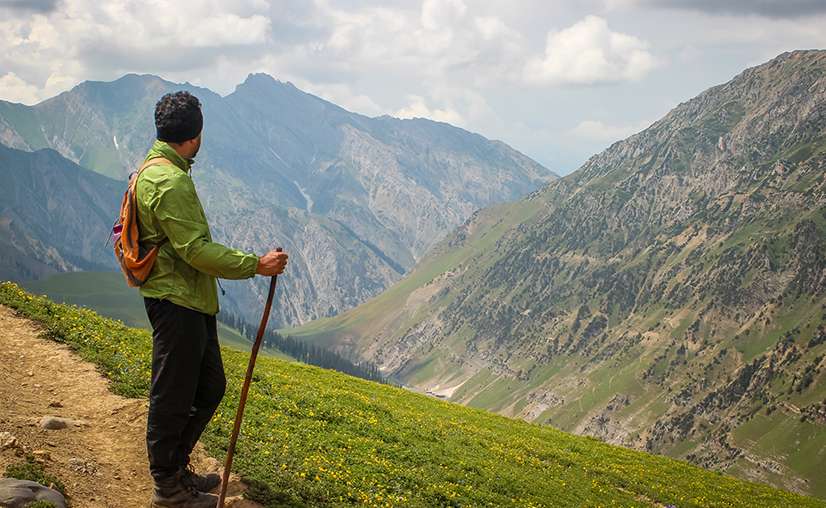
The trekking routes of Sonamarg, Pahalgam, Gurez and Lolab tell a similar story. With basic way-marking, trained local guides and simple but clean accommodation, these trails can host families, students and seasoned trekkers from across India and abroad. When a group spends a night in a village homestay, pays a pony-owner, buys local food and a handwoven shawl, the money does not remain in one town. It spreads across the community. For remote areas, such income can mean the difference between migration and dignity at home.
Water-based adventure offers another dimension. The same rivers that make headlines during flood season can become engines of carefully managed recreation in calmer months. Rafting in Pahalgam and Sonamarg has already shown early promise. With clear safety norms, regular inspections and professional operators, controlled rafting and kayaking can draw a high-value segment of tourists. But the lesson from other hill states is clear: without strict regulation, rivers and riverbanks quickly succumb to plastic, illegal construction and noise.
This is why adventure tourism cannot grow on enthusiasm alone. It demands three non-negotiables: safety, training and sustainability. Safety means certified guides, standard equipment, weather advisories, insurance and a credible rescue system for mountains and rivers.
Training must move beyond a handful of short courses; the Valley needs institutions that can produce world-class mountaineers, ski instructors and river guides, with local youth at the centre. Sustainability requires that each trail, campsite and river stretch is monitored for waste, crowding and ecological impact. Otherwise, what is marketed as adventure turns into vandalism of our own home.
There is also the question of image. For too long, the outside world has viewed Kashmir only through the prism of conflict and security. Every trek, every ski run, every safe and well-run rafting trip creates a different picture: of hospitable hosts, resilient communities and young men and women guiding visitors with confidence. Soft power does not come from glossy campaigns alone; it grows from thousands of small, positive encounters.
Government, local entrepreneurs and civil society must therefore act in concert. The administration has to provide a clear policy framework, plug infrastructure gaps, and reward operators who follow global best practices. Private players must treat the sector as a profession, not a quick harvest, respecting safety norms, paying fair wages and protecting the environment. Citizen groups and environmentalists need to act as watchdogs, ensuring that meadows do not turn into parking lots and riverbanks into landfills.
Kashmir today stands at a familiar crossroads. It can continue with a narrow tourist calendar that rises and falls with the summer rush and the occasional snow season. Or it can consciously build a year-round adventure economy that creates jobs, retains youth and strengthens the Valley’s image.
Adventure tourism will not solve every problem, but it can open a path to dignified livelihoods, especially in rural belts. The question is not whether the world is ready to experience adventure in Kashmir. The real question is whether we are ready to prepare, regulate and own that future, before someone else writes the script for us.
(The author is a travel enthusiast working in an international NGO)