

Umar Raina
Srinagar, May 31: Amid the dense forests and high-altitude meadows of Kashmir, traditional Kothas, the seasonal mud, stone and wooden dwellings of the Gujjar community continue to stand as enduring symbols of a centuries-old way of life.
While modernity has transformed lifestyles across much of the Valley, these humble structures remain central to the culture, traditions and seasonal migration patterns of the Gujjar pastoral community.
Every year, with the arrival of summer in June and July, thousands of Gujjar families from different parts of Kashmir begin their annual migration towards the upper reaches of the mountains.
Accompanied by their livestock, they move to the lush alpine pastures locally known as margs, where they spend nearly five to six months grazing their animals and sustaining their traditional pastoral lifestyle.
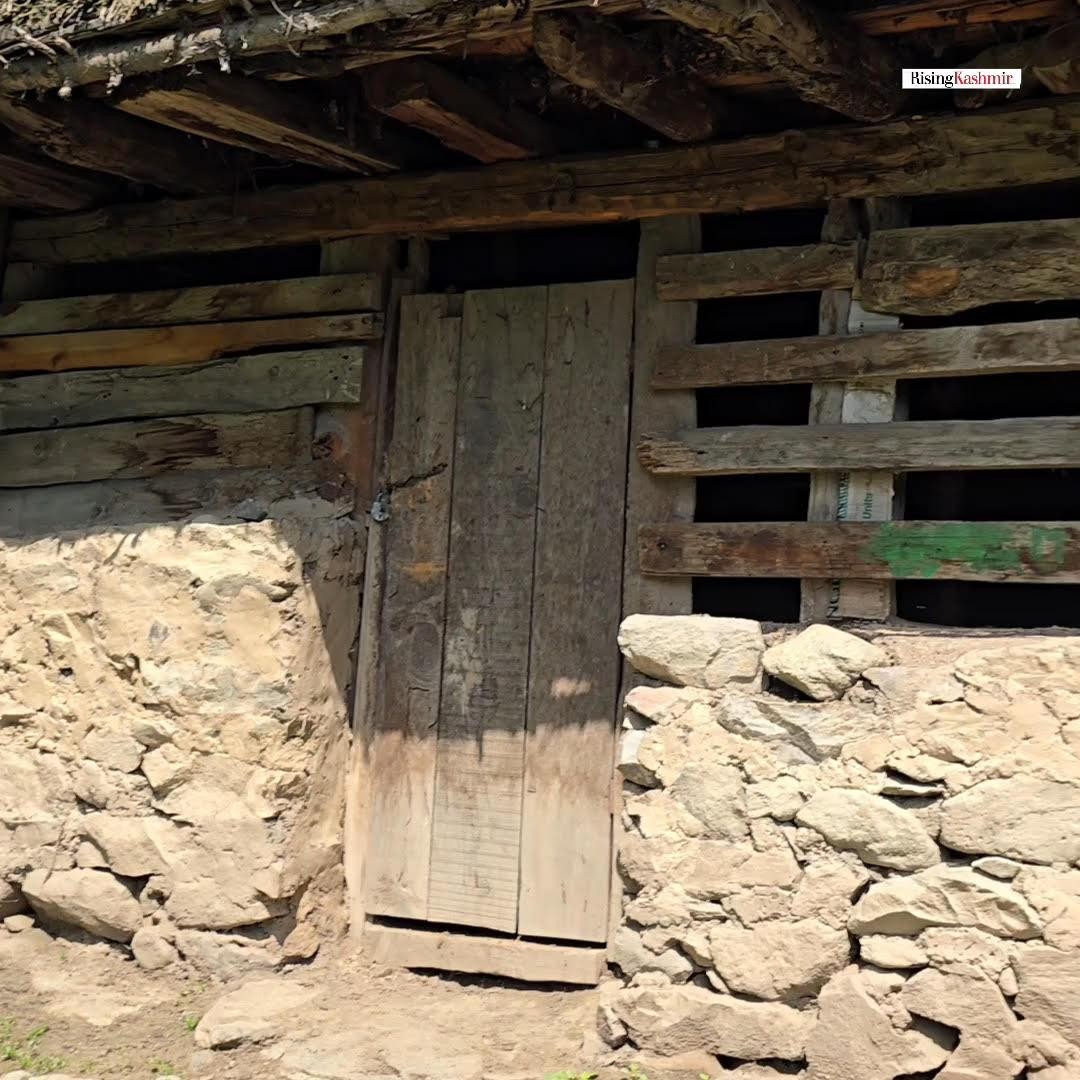
At the heart of this seasonal migration are the traditional Kothas, many of which are still found scattered across forests and mountain slopes. Built using locally available materials such as wood, stone and mud, these structures have been serving as temporary homes for generations of nomadic and semi-nomadic Gujjar families.
A visit to these remote settlements reveals a way of life that has remained largely unchanged despite rapid technological and social changes elsewhere. The Kothas are simple yet remarkably functional. Their walls are usually made from a combination of stone, timber and mud, while the roofs are constructed using wooden logs covered with layers of soil. In some places, especially where weather conditions are harsh, families have also started using tarpaulin sheets over the roofs for added protection against rain and wind.
Inside these dwellings, families often reserve a room for living purposes where they spend their days and nights together during the summer months. Despite limited facilities, the structures provide shelter and warmth in the challenging mountain environment.
What makes these seasonal settlements unique is not merely the architecture but the lifestyle that accompanies them. The Gujjar community continues to preserve many traditions that have been passed down through generations. Even today, many families cook food on traditional mud stoves, commonly known as choolas, using firewood collected from nearby forests.
The sight of smoke rising from these traditional kitchens presents a striking contrast to modern urban lifestyles where gas stoves and electrical appliances have become commonplace. For many Gujjar families, cooking on a choola is not only a necessity in remote areas but also a cherished cultural practice that connects them to their ancestral heritage.
Food habits too reflect the community’s close relationship with nature and livestock. Most families rely heavily on dairy products produced from their own animals. Pure ghee, curd, butter and fresh milk remain staples of their daily diet. Traditional meals are often prepared using locally available ingredients, while eggs from free-range chickens reared by the families themselves form an important part of their nutrition.
Livestock rearing continues to be the backbone of the Gujjar economy. Besides cattle, sheep and goats, many households also keep poultry, including chickens and roosters. The animals provide milk, meat and other products that support the families throughout their stay in the mountains and contribute to their livelihoods back in their native villages.
Community elders say that the annual migration is more than just a search for grazing lands; it is a cultural journey that reinforces social bonds and preserves traditional knowledge. Young children accompanying their parents learn skills related to livestock management, dairy production and survival in mountainous terrain, ensuring that these practices are passed on to future generations.
However, the traditional lifestyle also faces several challenges. Changing weather patterns, shrinking grazing areas, lack of modern facilities in remote regions and increasing migration towards urban centres have affected the pastoral way of life. Despite these difficulties, many Gujjar families continue to uphold their customs and maintain the seasonal migration that has defined their identity for centuries.
For visitors and tourists, these forest settlements offer a rare glimpse into an authentic lifestyle that remains deeply connected to nature. The Kothas, standing quietly amid forests and meadows, represent far more than temporary shelters. They are living symbols of resilience, self-reliance and cultural continuity.