

Idrees Bukhtiyar
Srinagar, May 15: Before dawn breaks over the snow-covered mountains of north Kashmir, dozens of nurses posted in remote villages near the Line of Control (LoC) begin journeys that would test even seasoned trekkers.
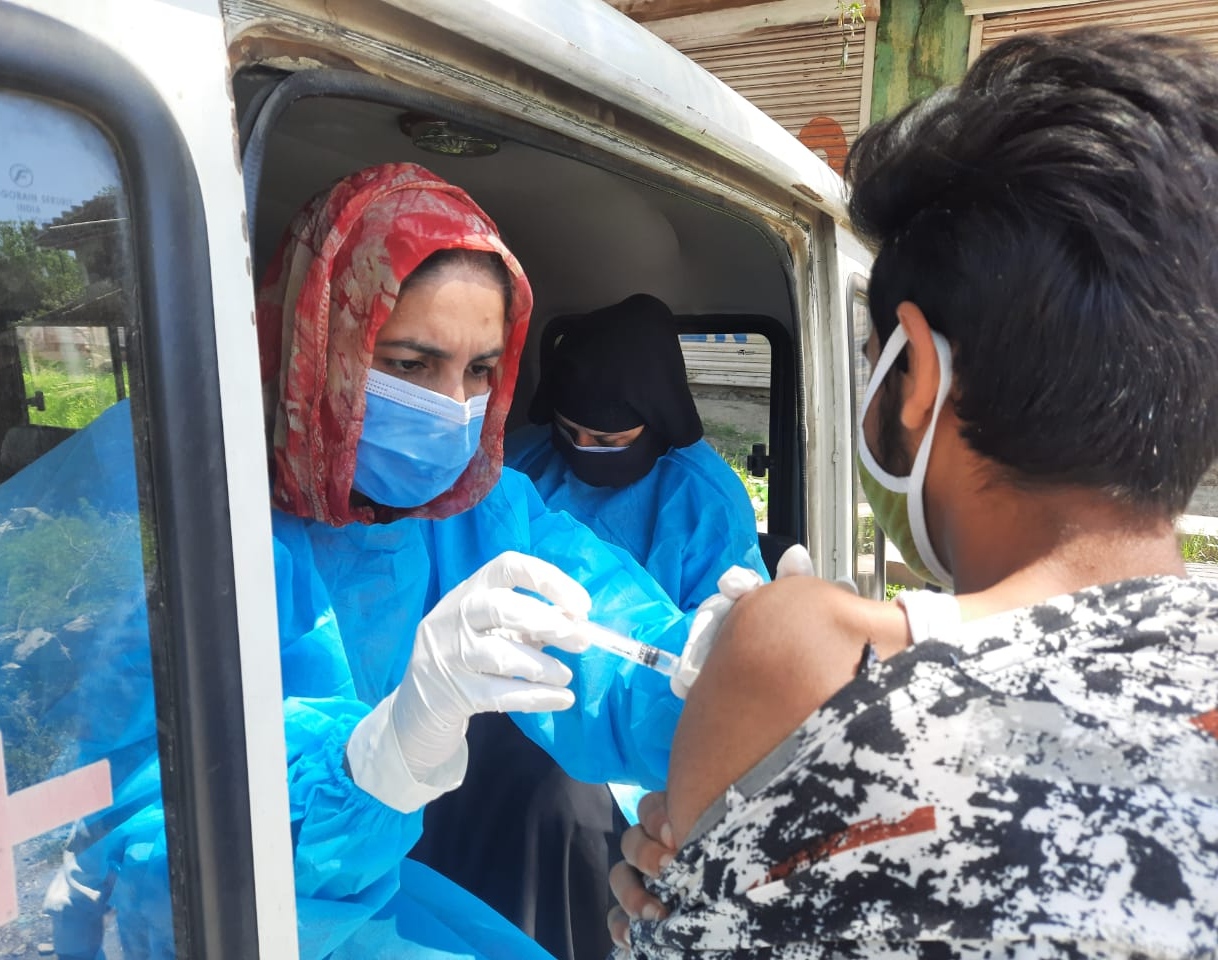
Carrying vaccine kits, medicines, and registers on their backs, they walk for miles through slippery mountain tracks, broken roads, and isolated hamlets to ensure healthcare reaches some of the valley’s most inaccessible populations.
From the higher reaches of Uri, Boniyar in Baramulla to far-flung villages in Kupwara district, these frontline healthcare workers – mostly women – continue to serve despite poor salaries, lack of job security and road connectivity, absence of transfer policies, and harsh weather conditions.
For many Auxiliary Nurse Midwives (ANMs) and nursing staff posted in these areas, every working day begins with uncertainty. During winters, snowfall blocks roads for days, forcing them to trek through knee-deep snow to reach health centres and villages. In several areas, there is no motorable road connectivity at all and they cross nallahs to reach their destinations.
An ANM posted in Jabla area of Uri, requesting anonymity, said she spends nearly Rs 1,500 from her own pocket every time she travels to her health centre because public transport remains unavailable for most parts of the route.
“I book the cab fully from my own pocket as no proper services are available on the route. Sometimes the roads are closed due to snowfall or landslides. Despite this, we cannot miss vaccination schedules or emergency cases,” she said.
She said there are days when she remains stranded due to bad weather but still resumes work the next morning. “People in these villages depend entirely on us. Pregnant women, infants, elderly patients – we are often their only healthcare support,” she added.
Another nurse posted in a remote area of Kupwara said the absence of a transfer policy has left many workers mentally and physically exhausted.
“We have been posted in border areas for years without any replacement or transfer. Many nurses are serving in difficult terrains continuously while facing family issues back home,” she said. “There is no fixed duty timing. We are available 24/7 because emergencies can happen anytime.”
Healthcare workers said they often trek several kilometres carrying vaccines in cold boxes to conduct immunisation drives in scattered villages.
A staff nurse posted near the LoC in Boniyar said reaching certain villages during winters can take up to five hours on foot.
“Sometimes we walk through snow, sometimes across muddy tracks during rains. We also face fear during border tensions because many villages are close to shelling-prone areas,” she said. “Still, we continue because children need vaccination and patients need treatment.”
The challenges are not limited to terrain alone. Nurses said they are overburdened due to staff shortages in many Primary Health Centres (PHCs) and Sub-Centres.
“There are centres where only one ANM is handling maternal care, immunisation, patient visits, surveys, and emergency calls. There are no replacements when someone falls sick or goes on leave,” another healthcare worker from Kupwara’s Karnah village said.
Officials in the Health Department acknowledged the difficulties faced by nursing staff in remote areas and said their contribution remains crucial to the healthcare system in frontier districts.
A senior health official in Baramulla said nurses working in border and higher reaches play a key role in ensuring maternal and child healthcare services continue uninterrupted.
“These healthcare workers operate in extremely challenging conditions. Despite difficult terrain and harsh winters, they ensure immunisation and primary healthcare services reach the last village,” the official said.
He said the department has been trying to improve infrastructure and manpower in remote areas but admitted shortages persist in some regions.
In January this year, nursing aspirants from across Jammu and Kashmir demanded immediate advertisement and filling of long-pending vacancies in government hospitals. They stated that no major recruitment drive for nursing posts has been conducted since 2021 despite thousands of vacancies existing in district hospitals, PHCs, CHCs, and newly established medical colleges.
Despite the hardships, nurses posted in Kashmir’s border belts continue to perform duties many describe as humanitarian service beyond profession.
“We are not just nurses here,” said an ANM from Uri. “Sometimes we become counselors, emergency responders, and even family support for villagers living in isolation. The challenges are huge, but the responsibility towards patients keeps us going.”