

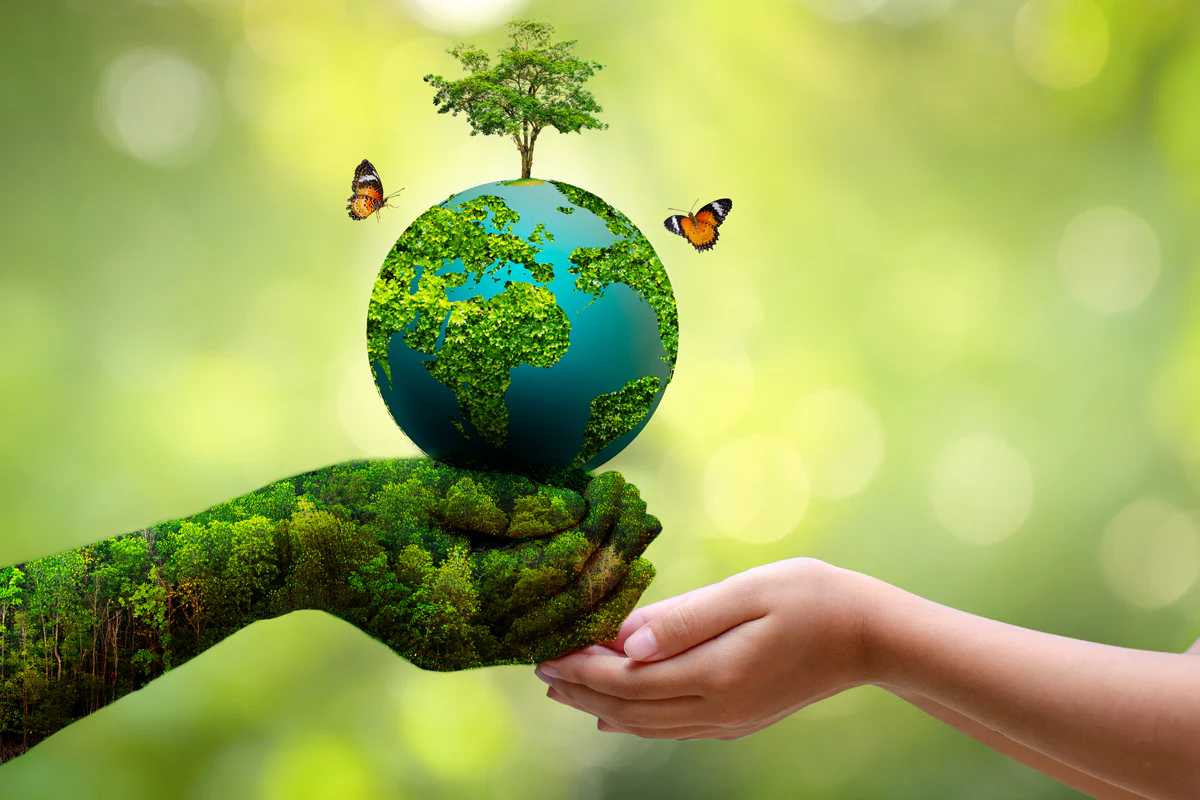
World Environment Day serves as a reminder that human progress and environmental sustainability are inseparable
AHMAD AYAZ
Every year on 5 June, the world observes World Environment Day, a global initiative aimed at raising awareness about environmental challenges and encouraging collective action for the protection of our planet. Established by the United Nations in 1972, this day has evolved into the world’s largest platform for environmental outreach, bringing together governments, institutions, communities, and individuals under a common cause—the preservation of nature.
The importance of World Environment Day has grown significantly in recent decades as humanity faces unprecedented environmental challenges. Climate change, pollution, biodiversity loss, water scarcity, deforestation, and ecosystem degradation are no longer distant concerns but realities affecting millions of people across the globe. The environmental crisis has become one of the defining issues of our time, demanding urgent and sustained action.
World Environment Day serves as a reminder that human progress and environmental sustainability are inseparable. A healthy environment is the foundation of public health, economic prosperity, social stability, and long-term development.
The Environment: The Foundation of Human Life
The environment encompasses all natural systems that sustain life on Earth, including air, water, soil, forests, rivers, mountains, oceans, and biodiversity. These resources provide food, shelter, energy, medicine, and countless ecosystem services essential for human survival.
For centuries, nature has maintained a delicate balance through interconnected ecological systems. Forests absorb carbon dioxide, wetlands regulate water flow, glaciers store freshwater, and biodiversity ensures ecosystem resilience. However, increasing human pressure on natural resources has disrupted this balance, threatening the sustainability of life-support systems upon which humanity depends.
The environmental challenges facing the world today are largely the result of unsustainable patterns of production, consumption, and development. The consequences are becoming increasingly visible and difficult to ignore.
Global Environmental Challenges:
Climate Change
Climate change represents one of the greatest threats to humanity. Rising global temperatures caused by greenhouse gas emissions have resulted in changing weather patterns, melting glaciers, rising sea levels, prolonged droughts, and extreme weather events.
The impacts of climate change are felt across continents. Farmers face uncertain growing seasons, coastal communities confront rising sea levels, and vulnerable populations experience increased exposure to disasters. Climate change is not only an environmental issue but also a challenge to food security, economic development, and social stability.
Pollution
Pollution continues to endanger ecosystems and public health. Air pollution contributes to respiratory illnesses and millions of premature deaths annually. Water pollution contaminates rivers, lakes, and oceans, threatening both aquatic life and human populations.
Plastic pollution has emerged as a major global concern. Vast quantities of plastic waste enter waterways and oceans every year, damaging marine ecosystems and entering the food chain. The growing presence of microplastics in the environment highlights the urgent need for sustainable consumption and effective waste management.
Deforestation and Biodiversity Loss
Forests are among the Earth’s most valuable natural assets. They regulate climate, support biodiversity, conserve soil, and provide livelihoods to millions of people. Yet forests continue to disappear due to urban expansion, commercial exploitation, and agricultural activities.
Simultaneously, thousands of species face extinction because of habitat destruction and environmental degradation. The loss of biodiversity weakens ecosystems and reduces their ability to withstand environmental stress.
Protecting forests and conserving biodiversity are essential for maintaining ecological balance and ensuring long-term sustainability.
Environmental Challenges in India
India’s rapid development has brought both opportunities and environmental challenges. Urbanisation, industrialisation, population growth, and increasing demand for natural resources have placed immense pressure on ecosystems.
Air pollution remains a major concern in many cities. Water bodies face contamination and depletion. Forests and wildlife habitats are under stress, while climate-related events such as floods, droughts, and heatwaves have become increasingly frequent.
Recognising these challenges, India has undertaken initiatives in renewable energy, afforestation, conservation, and sustainable development. However, achieving environmental sustainability requires stronger implementation, public participation, and long-term planning.
Kashmir: A Paradise Under Environmental Stress
Kashmir has long been celebrated for its breathtaking landscapes, crystal-clear lakes, dense forests, snow-covered mountains, and rich biodiversity. Often described as “Paradise on Earth,” the region possesses one of the most fragile and ecologically significant environments in South Asia.
However, the environmental condition of Kashmir has been deteriorating steadily over the years. Rapid urbanisation, unplanned development, pollution, shrinking water bodies, loss of wetlands, deforestation, and climate change have collectively placed immense pressure on the Valley’s natural ecosystems.
One of the most visible examples is the declining health of Kashmir’s lakes and wetlands. Dal Lake, once renowned for its pristine waters, faces increasing challenges from pollution, encroachments, and untreated waste. Wular Lake, one of Asia’s largest freshwater lakes, has also witnessed significant ecological stress due to human interference and environmental degradation.
The Valley’s wetlands, which serve as natural flood absorbers and biodiversity hotspots, are shrinking at an alarming pace. Encroachments and changing land-use patterns have reduced their capacity to regulate water flow, increasing vulnerability to floods.
Climate change has further intensified environmental concerns. The region has experienced irregular snowfall, warmer winters, changing rainfall patterns, and a rise in extreme weather events. Glaciers, which serve as crucial freshwater reservoirs, are retreating due to rising temperatures. These changes directly affect water availability, agriculture, horticulture, and livelihoods.
Deforestation and degradation of forest ecosystems remain serious concerns. Illegal logging, forest fires, and expanding human settlements have reduced green cover in several areas. The loss of forests contributes to soil erosion, landslides, biodiversity decline, and increased climate vulnerability.
Water scarcity, once relatively uncommon in Kashmir, has emerged as a growing concern. Several springs and traditional water sources have either diminished significantly or dried up entirely. Communities that once enjoyed abundant freshwater resources now face periodic shortages, particularly during dry seasons.
The increasing frequency of environmental disasters, including floods, cloudbursts, and landslides, serves as a warning that Kashmir’s ecological balance is under strain. The devastating floods of 2014 remain a stark reminder of the consequences of environmental neglect and unplanned development.
Sustainable Development: The Need of the Hour
Development and environmental protection should not be viewed as opposing objectives. Sustainable development seeks to ensure economic progress while preserving natural resources for future generations.
In regions such as Kashmir, sustainable development is particularly important because environmental degradation directly affects tourism, agriculture, horticulture, public health, and disaster resilience. Infrastructure projects, urban expansion, and economic activities must be planned in a manner that respects ecological limits.
Scientific land-use planning, conservation of wetlands, protection of forests, sustainable tourism practices, and efficient waste management are essential components of environmentally responsible development.
The Role of Citizens
Environmental protection cannot be achieved solely through government policies. Citizens have an equally important role to play.
Simple actions such as reducing plastic use, conserving water, planting trees, segregating waste, protecting local water bodies, and promoting environmental awareness can contribute significantly to conservation efforts. Community participation is often the key to successful environmental initiatives.
Educational institutions, civil society organisations, religious leaders, media outlets, and local communities can all play a crucial role in fostering environmental consciousness and encouraging responsible behaviour.
The Responsibility of Future Generations
Young people are increasingly becoming leaders in environmental advocacy and climate action. Their engagement reflects a growing awareness that environmental decisions made today will shape the future of coming generations.
Investing in environmental education and empowering youth to participate in conservation efforts can create a culture of sustainability and responsibility. The future of the planet depends largely on the values and actions adopted by today’s younger generation.
Conclusion
World Environment Day is more than a symbolic observance; it is a call for reflection and action. It reminds humanity that environmental protection is not a luxury but a necessity for survival, prosperity, and sustainable development.
The environmental challenges confronting the world—from climate change and pollution to biodiversity loss and water scarcity—require urgent attention and collective action. In Kashmir, the steady deterioration of natural ecosystems serves as a warning that even the most beautiful and ecologically rich regions are vulnerable to environmental decline if conservation is neglected.
Protecting nature is ultimately about protecting humanity itself. Clean air, safe water, healthy forests, thriving biodiversity, and balanced ecosystems are essential for economic growth, social well-being, and a secure future. As we observe World Environment Day, we must renew our commitment to safeguarding the environment and ensuring that future generations inherit a planet that remains healthy, resilient, and capable of sustaining life in all its diversity.
The future of humanity depends on the choices we make today. Protecting the environment is therefore not merely an environmental responsibility—it is a moral obligation and a collective duty owed to generations yet to come.
(The author is a columnist and social activist. He can be reached at: ahmadayaz08@gmail.com)