

Mansoor Peer
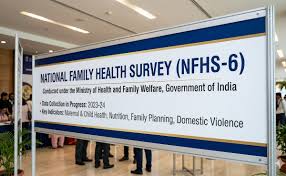
Srinagar, June 1: Ladakh has witnessed a marked decline in overweight and obesity among adults over the past five years, according to the latest National Family Health Survey (NFHS-6) (2023-24).
The survey shows that the proportion of overweight or obese women aged 15–49 years fell from 28.3 percent in NFHS-5 to 22.8 percent, while the corresponding figure for men declined sharply from 37.8 percent to 27.8 percent, reflecting an overall improvement in nutritional and health outcomes.
As per the key indicators of the NFHS-6, in terms of non-communicable diseases among adults aged 15 and above, high or very high blood sugar levels (or taking medication to control it) marginally increased for both genders, standing at 6.7 percent for women and rising to 8.8 percent for men (up from 8.3 percent).
As per the report, elevated blood pressure followed a mixed trend: elevated blood pressure among women rose slightly to 16.3 percent from 15.7 percent, whereas among men, it saw a minor decline to 16.5 percent from 17.4 percent.
Married women participating in key household decisions jumped significantly to 93 percent from 80.4 percent. Additionally, women owning a bank or savings account they personally use rose to 95.5 percent from 88.4 percent, and mobile phone usage among women increased to 89 percent from 81.2 percent.
Menstrual hygiene also improved, with 87.8 percent of young women (aged 15–24) using hygienic protection methods compared to 79.1 percent previously.
Conversely, the percentage of women who worked in the last 12 months and were paid in cash declined sharply to 16.2 percent from 28.3 percent.
The latest fact sheet shows that 96 percent of households in Ladakh now have at least one member covered under a health insurance or financing scheme, a sharp increase from 17.1 percent recorded in NFHS-5 (2019-21).
In maternal healthcare, 96.3 percent of mothers had an antenatal check-up during the first trimester compared to 85.7 percent in NFHS-5. Mothers receiving at least four antenatal care visits increased to 94.6 percent from 78.9 percent, while institutional deliveries rose to 98 percent from 95.1 percent. Births attended by skilled health personnel also improved to 99.1 percent from 97 percent.
The survey recorded remarkable progress in postnatal care. Mothers receiving postnatal care within two days of delivery increased to 93 percent from 79.6 percent, while postnatal care for newborns rose to 93.1 percent from 76.7 percent.
Child immunisation indicators remained among the highest in the country. Full vaccination coverage among children aged 12–23 months increased to 94.1 percent from 88.2 percent. Coverage of three doses of rotavirus vaccine surged to 92.2 percent from just 10.6 percent in NFHS-5. Nearly 99 percent of children received at least one vaccine, while 98.1 percent received the first dose of measles-containing vaccine.
Nutrition indicators among children also improved.
Stunting among children under five years declined to 26.0 percent from 30.5 percent, wasting reduced to 10.6 percent from 17.5 percent, severe wasting fell to 5.1 percent from 9.1 percent, and underweight prevalence dropped to 14.5 percent from 20.4 percent. The proportion of overweight children under five years also declined to 6.4 percent from 13.4 percent.
However, exclusive breastfeeding among children below six months declined sharply to 52.1 percent from 70.9 percent recorded in NFHS-5.
The percentage of children aged 6–23 months receiving an adequate diet also fell to 17.4 percent from 23.1 percent, indicating continuing nutritional challenges despite improvements in other child health indicators.
The survey shows that the Total Fertility Rate (TFR) in Ladakh stands at 1.6 children per woman, up slightly from 1.3 in NFHS-5 but still below the replacement level fertility rate. Women aged 15–19 years who were already mothers or pregnant at the time of the survey stood at 0.8 percent.
Family planning coverage also improved, with use of any modern method increasing to 57.1 percent from 48 percent. However, total unmet need for family planning rose marginally to 8.4 percent from 7.9 percent.
The survey further noted improvement in educational and social indicators. Women with 10 or more years of schooling increased to 58.2 percent from 50 percent, while female school attendance rose to 69.3 percent. Pre-school attendance among children aged 2–4 years increased significantly to 46 percent from 30.4 percent.