

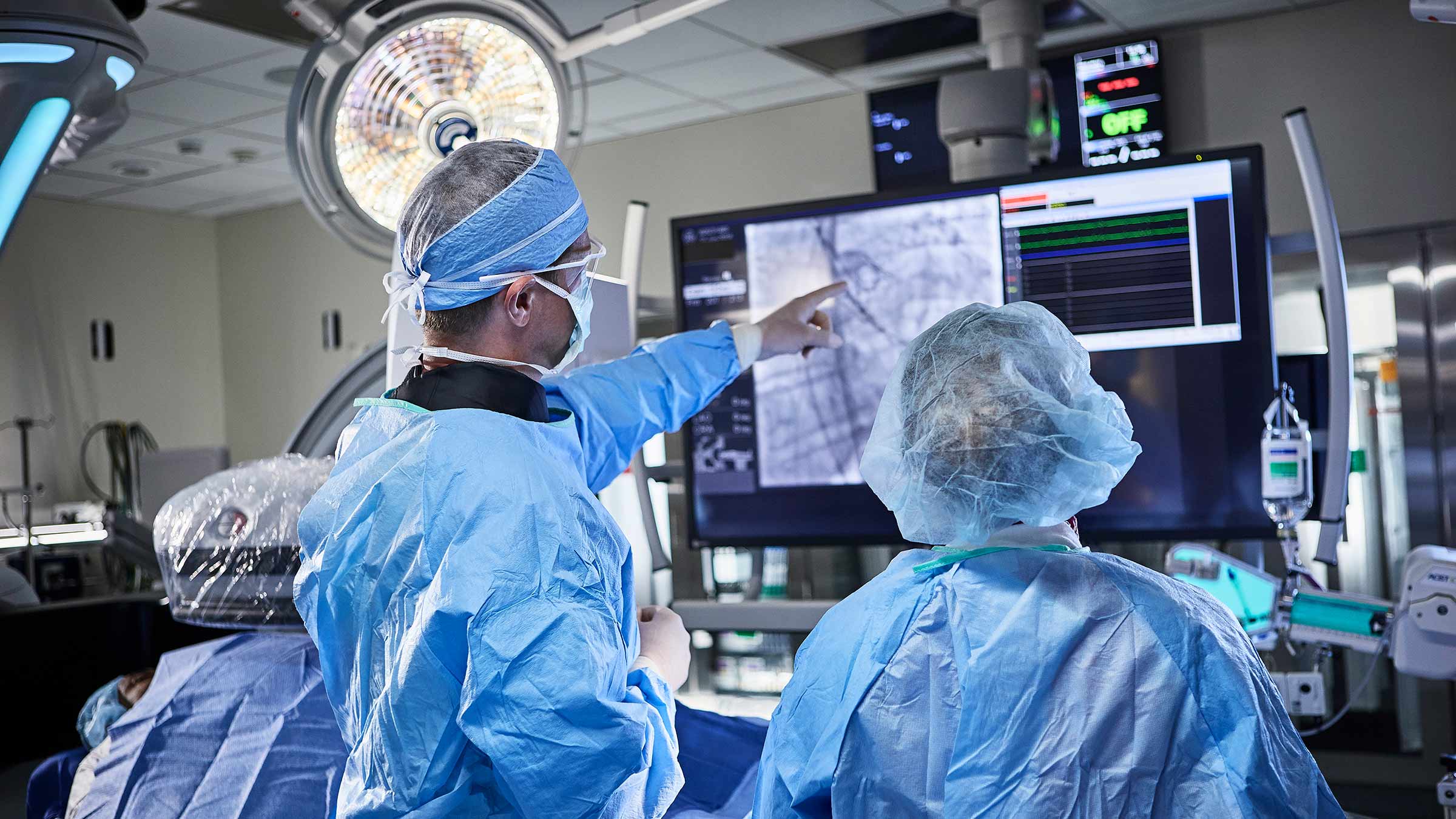
If you hear about a patient being treated through a tiny puncture instead of a large incision, there is a good chance that Interventional Radiology is behind the story
DR IRSHAD BANDAY
When most people think of medical treatment, they usually think of medicines, surgery, or perhaps a visit to a specialist. Very few have heard of Interventional Radiology, even though it has quietly transformed the way many diseases are treated today. As an Interventional Radiologist, I often meet patients who tell me, “Doctor, I wish I had known about this option earlier.”
That reaction is understandable. Most people are surprised to learn that many conditions can now be treated through a tiny needle puncture rather than a large surgical incision. In many cases, patients experience less pain, shorter hospital stays, faster recovery, and an earlier return to their daily lives. Yet despite its remarkable growth, Interventional Radiology remains one of medicine’s least-understood specialities.
In an era where healthcare is rapidly evolving, patients are increasingly seeking treatments that are effective, safe, and minimally disruptive to their lives. Interventional Radiology embodies all of these qualities. Although the speciality has been around for decades and is now considered an integral part of modern healthcare worldwide, public awareness remains surprisingly low. Many patients discover Interventional Radiology only after being referred by another specialist or after exhausting conventional treatment options.
The reality is that millions of patients worldwide have already benefited from image-guided, minimally invasive procedures. From emergency life-saving interventions to cutting-edge cancer therapies, Interventional Radiology is quietly reshaping the future of medicine.
What Exactly Is Interventional Radiology?
Interventional Radiology (IR) is a medical speciality that uses advanced imaging technologies such as ultrasound, CT scans, and real-time X-rays to guide miniature instruments through blood vessels or tiny skin punctures to diagnose and treat disease. Think of it as performing highly precise procedures from inside the body without the need for major surgery. The ability to see exactly where we are working allows treatments to be delivered with exceptional accuracy while minimising damage to healthy tissues.
Interventional Radiologists are uniquely trained in both imaging and minimally invasive procedures. This combination allows them to navigate through the body’s complex network of blood vessels and organs with remarkable precision. In many situations, procedures that once required large surgical incisions can now be performed through an opening only a few millimetres wide.
For patients, the advantages are often substantial. Smaller incisions mean less pain, fewer complications, lower risk of infection, shorter hospital stays, and faster recovery. In many cases, procedures can be performed under local anaesthesia, making them particularly valuable for elderly patients and those with multiple medical conditions who may not tolerate major surgery well.
Diseases Commonly Treated by Interventional Radiologists
One of the reasons Interventional Radiology is often called the “speciality of possibilities” is because it touches almost every organ system in the body.
Blocked Blood Vessels and Poor Circulation
Patients suffering from poor blood flow to the legs may develop pain while walking, non-healing ulcers, or even face the risk of amputation. Using angioplasty, stents, and other minimally invasive techniques, blocked arteries can often be reopened, restoring circulation and helping save limbs.
Peripheral arterial disease is becoming increasingly common due to diabetes, smoking, high blood pressure, and advancing age. Early diagnosis and timely intervention can dramatically improve the quality of life and reduce the risk of limb loss.
Stroke
Acute ischemic stroke occurs when a clot blocks the blood supply to the brain. In selected patients, Interventional Radiologists can remove these clots through a procedure called mechanical thrombectomy, often reducing disability and improving recovery. Stroke remains one of the leading causes of death and disability worldwide. Every minute of delay can result in the loss of millions of brain cells. Advances in mechanical thrombectomy have revolutionised stroke treatment and have given many patients a second chance at independent living.
Varicose Veins
Millions of people suffer from painful, swollen, and unsightly varicose veins. Modern treatments such as endovenous laser ablation, radiofrequency ablation, glue therapy, and sclerotherapy allow these veins to be treated without conventional surgery. Many patients continue to believe that painful vein stripping surgery is the only option. Modern image-guided therapies have largely replaced these traditional procedures and allow patients to return to normal activities much sooner.
Cancer
Interventional Oncology has become one of the fastest-growing areas of cancer care. Image-guided biopsies help establish accurate diagnoses, while treatments such as tumour ablation, chemoembolization, radioembolization, and targeted drug delivery can play an important role in managing liver cancer and other tumours.
The role of Interventional Radiology in cancer treatment continues to expand every year. In many situations, image-guided therapies can complement surgery, chemotherapy, and radiation therapy as part of a multidisciplinary approach to cancer care.
Liver Disease
Patients with advanced liver disease often require specialised procedures. Interventional Radiologists perform transjugular liver biopsy, portal pressure measurements, TIPS (Transjugular Intrahepatic Portosystemic Shunt), biliary drainage, and other interventions that are often crucial in managing complications of chronic liver disease. In regions where chronic liver disease is common, these procedures have become invaluable tools in both diagnosis and treatment, often helping patients avoid major surgical operations.
Uncontrolled Bleeding
Severe bleeding can occur following trauma, childbirth, surgery, ulcers, cancers, or various medical conditions. Using a technique called embolisation, Interventional Radiologists can identify the bleeding vessel and seal it from within, often avoiding major emergency surgery. In emergencies, embolisation can be life-saving. The ability to precisely target the source of bleeding allows rapid control while preserving healthy surrounding tissues.
Uterine Fibroids
Many women suffer silently from heavy menstrual bleeding, pelvic pain, and pressure symptoms caused by fibroids. Uterine Artery Embolization offers a minimally invasive alternative for selected patients and can often help women avoid major surgery. This treatment has allowed countless women to preserve their uterus while achieving significant relief from symptoms.
Kidney and Urinary Tract Problems
Blocked kidneys, urinary obstruction, difficult biopsies, and certain urinary leaks can often be managed using image-guided procedures performed through tiny access points. Varicoceles can be treated by Non-surgical means like Varicocele embolisation. These interventions often provide rapid relief while reducing the need for extensive surgical procedures.
Dialysis Access Problems
For patients on dialysis, maintaining a functional dialysis fistula is essential.Interventional Radiologists routinely treat narrowed or blocked fistulas, helping patients continue life-saving dialysis without interruption.Without timely intervention, dialysis access problems can significantly affect a patient’s quality of life and treatment schedule.
Deep Vein Thrombosis
Blood clots in the veins can lead to pain, swelling, and potentially life-threatening complications. In selected cases, clot-removal procedures and venous interventions can restore blood flow and improve outcomes. Early recognition and treatment are essential to reduce long-term complications and improve patient comfort.
Chronic Pain
Image-guided treatments are increasingly being used for patients suffering from chronic joint pain, nerve pain, cancer-related pain, and other debilitating conditions when conventional treatments have failed. For many patients who have struggled with pain for years, these minimally invasive therapies can provide meaningful improvement in function and quality of life.
More Than Doctors Who Read Scans
A common misconception is that radiologists only interpret scans. In reality, Interventional Radiologists are clinicians who see patients, perform procedures, manage complications, provide follow-up care, and work closely with specialists from multiple disciplines. The specialty combines medicine, surgery, imaging, and technology in a unique and rapidly evolving field.
An Interventional Radiologist may be involved in a patient’s journey from diagnosis to treatment and long-term follow-up. The speciality requires not only technical expertise but also sound clinical judgment and close collaboration with other healthcare professionals.
Looking Ahead
Healthcare is moving steadily towards treatments that are safer, more precise, and less invasive.
Interventional Radiology represents that future. Every year, new procedures are being developed that allow patients to avoid major surgery while achieving excellent outcomes. As awareness grows, more patients will have access to these life-changing treatments.
Emerging technologies such as artificial intelligence, advanced imaging systems, robotics, and precision medicine are expected to further enhance the capabilities of Interventional Radiology. The future promises treatments that are even more targeted, personalised, and effective.
An Informed Patient Is an Empowered Patient
The purpose of this article is simple: awareness. Patients deserve to know that alternatives may exist. Not every condition requires surgery, and not every treatment needs a large incision.
If you or a family member is facing a vascular problem, cancer, liver disease, varicose veins, uncontrolled bleeding, dialysis access issues, or another complex medical condition, ask your doctor whether an Interventional Radiology consultation may be appropriate. The answer may not always be yes. But when it is, it can mean less pain, faster recovery, and a better quality of life.
Interventional Radiology may not always be visible to the public, but every day it is helping save lives, preserve organs, prevent amputations, control bleeding, treat cancer, and improve the lives of countless patients.
As medicine continues to advance, awareness of Interventional Radiology must also grow. Patients who understand their treatment options are better equipped to make informed decisions about their healthcare. Sometimes the best treatment is not the biggest operation, but the smartest and most precise intervention.
The next time you hear about a patient being treated through a tiny puncture instead of a large incision, there is a good chance that Interventional Radiology is behind the story.
(The Author is Senior Consultant, Interventional Radiology, Paras Health Srinagar. Email: drirshadbanday@gmail.com)