Know everything about Polycystic Ovary Syndrome

-
 By Dr Khalid Ur Rehman
- Comments 0
- 08 Oct 2022
Polycystic Ovary Syndrome (PCOS), also known as Polycystic Ovarian Disease(PCOD)Or Stein Levinthal Syndrome is a condition of Androgen excess and Chronic Anovulation- that means Women with PCOS produce higher-than-normal amounts of male hormones known as Androgens.
This hormone imbalance causes their body to skip menstrual periods and makes it harder for them to get pregnant.PCOS also causes hair growth on the face and body,and can also cause baldness. It can contribute to long-term health problems like diabetes and heart disease.Birth control pills and diabetes drugs (which combat insulin resistance,a PCOS symptom)can help fix the hormone imbalance and improve symptoms.
PCOS is a problem with hormones that affects women during their childbearing years (15 to 44 years of age).Between 2.2 and 26.7 percent of women in this age group have PCOS.Many women have PCOS but don’t know it.In one study,up to 70 percent of women with PCOS hadn’t been diagnosed.PCOS affects a woman’s ovaries,the reproductive organs that produce estrogen and progesterone — hormones that regulate the menstrual cycle.
The ovaries also produce a small amount of male hormones called Androgens.The ovaries release eggs to be fertilized by a man’s sperm.The release of an egg each month is called Ovulation. Follicle-stimulating hormone (FSH) and luteinizing hormone (LH),which are produced in the pituitary gland,control ovulation.FSH stimulates the ovary to produce a follicle — a sac that contains an egg — and then LH triggers the ovary to release a mature egg.
PCOS is a "Syndrome”or group of symptoms that affects the ovaries and ovulation.Its three main features are:
- Cysts in the ovaries
- High levels of male hormones
- Irregular or skipped periods
In PCOS,many small,fluid-filled sacs grow inside the ovaries.The word“polycystic”means“many cysts”. These sacs are actually follicles,each one containing an immature egg.The eggs never mature enough to trigger ovulation. The lack of ovulation alters levels of estrogen,progesterone,FSH,and LH. Progesterone levels are lower than usual,while androgen levels are higher than usual.Extra male hormones(Androgen)disrupt the menstrual cycle,so women with PCOS get fewer periods than usual.PCOS isn’t a new condition.Italian Physician,Antonio Vallisneri first described its symptoms in 1721.
Polycystic ovary syndrome (PCOS) affects up to almost 27 percent of women during their childbearing years .It involves cysts in the ovaries,high levels of male hormones,and irregular periods.
- Causes of PCOS
It is not known exactly what causes PCOS.Scientists believe that high levels of male hormones prevent the ovaries from producing hormones and making eggs normally.But genes, insulin resistance,and inflammation have all been linked to excess androgen production.
- Genes: Studies show that PCOS runs in families.It’s likely that many genes — not just one — contribute to the condition.
- Insulin resistance: Up to 70percent of women with PCOS have insulin resistance,meaning that their cells can’t use insulin properly.Insulin is a hormone secreted by the pancreas which help the body to use sugar from foods for energy.When cells can’t use insulin properly,the body’s demand for insulin increases.The pancreas makes more insulin to compensate.Extra insulin triggers the ovaries to produce more male hormones.Obesity is a major cause of insulin resistance.Both obesity and insulin resistance can increase your risk for type 2 diabetes.
- Inflammation: Women with PCOS often have increased levels of inflammation in their body.Being overweight can also contribute to inflammation.Studies have linked excess inflammation to higher androgen levels.
- Common symptoms of PCOS
Some women start seeing symptoms around the time of their first period.Others only discover they have PCOS after they’ve gained a lot of weight or they’ve had trouble getting pregnant. The most common PCOS symptoms are:
a.Irregular periods: A lack of ovulation prevents the uterine lining from shedding every month.Some women with PCOS get fewer than eight periods a year or none at all.
b.Heavy bleeding: The uterine lining builds up for a longer period of time,so the periods you do get can be heavier than normal.
c.Hair growth: More than 70percent of women with this condition grow hair on their face and body — including on their back,belly,and chest.Excess hair growth is called Hirsutism.
d.Acne: Male hormones can make the skin oilier than usual and cause breakouts on areas like the face,chest, and upper back.
e.Weight gain: Up to 80 percent of women with PCOS are overweight or have obesity.
f.Male pattern baldness: Hair on the scalp gets thinner and may fall out.
g.Darkening of the skin: Dark patches of skin can form in body creases like those on the neck,in the groin,and under the breasts.
h.Headaches: Hormone changes can trigger headaches in some women.
- How PCOS affects your body
- Infertility: To get pregnant,you have to ovulate. Women who don’t ovulate regularly don’t release as many eggs to be fertilized. PCOS is one of the leading causes of infertility in women.
- Metabolic Syndrome: Up to 80 percent of women with PCOS are overweight or have obesity.Both obesity and PCOS increase your risk for High blood sugar, High blood pressure, Low HDL“Good"cholesterol and High LDL“Bad”cholesterol. Together,these factors are called Metabolic Syndrome,and they increase the risk for heart disease,diabetes,stroke, andsleep apnea.
Sleep apnea is the condition that causes repeated pauses in breathing during the night,which interrupt Sleep.Sleep apnea is more common in women who are overweight — especially if they also have PCOS. The risk for sleep apnea is 5 to 10 times higher in women who have both obesity and PCOS than in those without PCOS.
- Endometrial Cancer: During ovulation,the uterine lining sheds.If you don’t ovulate every month,the lining can build up.A thickened uterine lining can increase your risk for endometrial cancer.
- Depression: Both hormonal changes and symptoms like unwanted hair growth can negatively affect your emotions.Many with PCOS eventually experience depression and anxiety.
- How PCOS is diagnosed
Doctors typically diagnose PCOS in women who have at least two of these three symptoms:
a.Irregular menstrual cycles(Amenorrhea/Oligomenorrhea due to Anovulation-Estrogen break through bleeding-In Anovulatory Cycles).
b.Hyperandrogenemia(high androgen levels;Serum Testosterone level;70-150ng/ml).
c.USG Findings of PCOD:>12 Follicles or cysts in ovaries. Size of each Follicle 10cc.
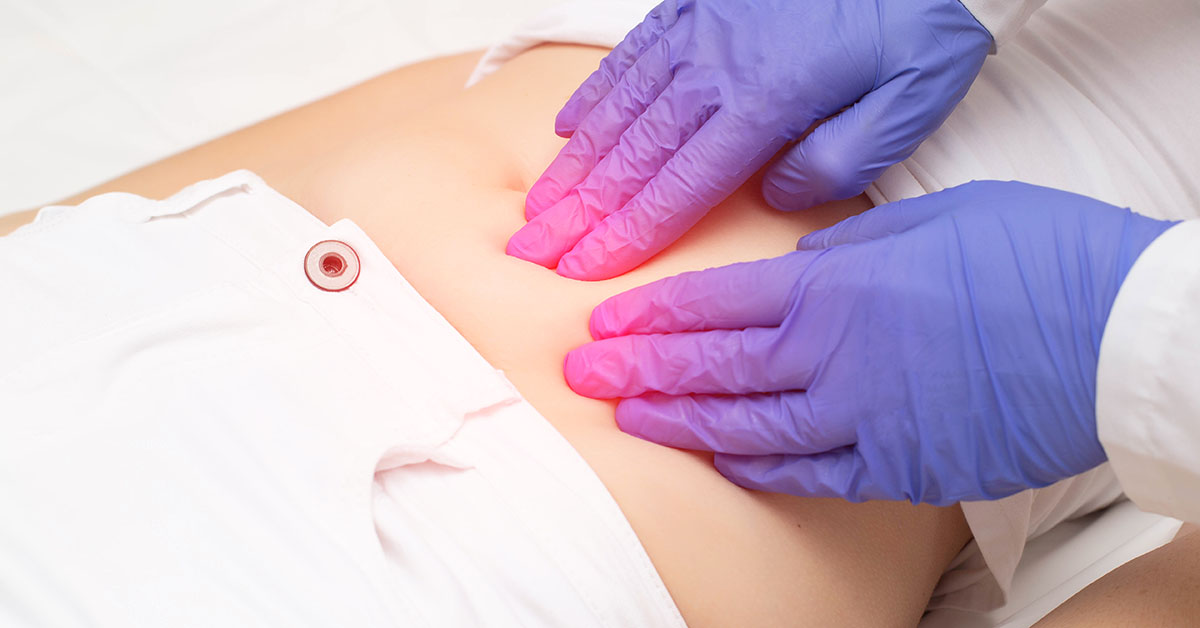
Your doctor should also ask whether you’ve had symptoms like acne,face and body hair growth,and weight gain. A pelvic exam can look for any problems with your ovaries or other parts of your reproductive tract.During this test,your doctor inserts gloved fingers into your vagina and checks for any growths in your ovaries or uterus. Blood tests check for higher-than-normal levels of male hormones. You might also have blood tests to check your cholesterol,insulin,and triglyceride levels to evaluate your risk for related conditions like heart disease and diabetes. An ultrasound uses sound waves to look for abnormal follicles and other problems with your ovaries and uterus as explained above.
- Pregnancy and PCOS
PCOS interrupts the normal menstrual cycle and makes it harder to get pregnant. Between 70 and 80percent of women with PCOS have fertility problems.This condition can also increase the risk for pregnancy complications. Women with PCOS are twice as likely as women without the condition to deliver their baby prematurely.They’re also at greater risk for miscarriage,high blood pressure,and gestational diabetes. However,women with PCOS can get pregnant using fertility treatments that improve ovulation.Losing weight and lowering blood sugar levels can improve your chances of having a healthy pregnancy.
- Diet and lifestyle tips to treat PCOS
Treatment for PCOS usually starts with lifestyle changes like weight loss,diet, and exercise.Losing just 5 to 10 percent of your body weight can help regulate your menstrual cycle and improve PCOS symptoms.Weight loss can also improve cholesterol levels, lower insulin, reduce heart disease and diabetes risks. Any diet that helps you lose weight can help your condition.
However,some diets may have advantages over others. Studies comparing diets for PCOS have found that low carbohydrate diets are effective for both weight loss and lowering insulin levels.A low glycemic index (low GI) diet that gets most carbohydrates from fruits,vegetables,and whole grains helps regulate the menstrual cycle better than a regular weight loss diet.
A few studies have found that 30 minutes of moderate-intensity exercise at least 3 days a week can help women with PCOS lose weight.Losing weight with exercise also improves ovulation and insulin levels. Exercise is even more beneficial when combined with a healthy diet.Diet plus exercise helps you lose more weight than either intervention alone,and it lowers your risks for diabetes and heart disease.
There is some evidence that acupuncture can help with improving PCOS, but more research is needed.
- Common Medical treatments
Birth control pills and other medications can help regulate the menstrual cycle and treat PCOS symptoms like hair growth and acne.
- Birth control pills: Low Dose Progestin are drug of Choice and taking these daily can:
a.Restore a normal hormone balance.
b.Regulate ovulation.
c.Relieve symptoms like excess hair growth.
d.Protect against endometrial cancer.
2.Metformin: Metformin-is a drug used to treat type 2 diabetes.It also treats PCOS by improving insulin levels.One study found that taking metformin while making changes to diet and exercise improves weight loss, lowers blood sugar,and restores a normal menstrual cycle better than changes to diet and exercise alone.
3.Clomiphene: Clomiphene is a fertility drug that can help women with PCOS get pregnant.It’s important to note that,as you’re discussing family planning,to keep in mind that clomiphene increases the chances for twins and other multiple births.
4.Hair removal medications: A few treatments can help get rid of unwanted hair or stop it from growing. Eflornithine cream is a prescription drug that slows hair growth.Laser hair removal and electrolysis can get rid of unwanted hair on your face and body.
5.Surgery: Surgery can be an option to improve fertility if other treatments don’t work. Ovarian drilling is a procedure that makes tiny holes in the ovary with a laser or thin heated needle to restore normal ovulation.
- When to Consult your Doctor
Consult your doctor if:
- You’ve missed periods,and you’re not pregnant.
- You have symptoms of PCOS,such as hair growth on your face and body.
- You’ve been trying to get pregnant for more than 12 months but haven’t been successful.
- You have symptoms of diabetes,such as excess thirst or hunger,blurred vision,or unexplained weight loss.
- If your periods are already irregular or absent and you’re trying to get pregnant, do not wait 12 months to see a specialist to be evaluated.
Also,keep in mind that if you do not wish to get pregnant,irregular or absent periods are not birth control in themselves. It may still be possible to get pregnant even under these conditions.It’s best to use contraception in this case even if you have PCOS. If you have PCOS,plan regular visits with your primary care doctor.You’ll need regular tests to check for diabetes,high blood pressure,and other possible complications.
Related Posts
-
Women's health
-
Nutrition: IODINE
-
Nutrition: FOOD FOR HAIR
-
Mental Health
-
Fibroids Can Affect Fertility
-
Nutrition: PLANT POWER
-

Drink sensibly
-
LATE NIGHT SNACKING
-
Women's health
-
Women Health
-
Heart Health
-
Nutrition: Get that glowing skin
-

Women’s Health Women’s Health Women’s Health
-
Heart Health
-
SNACKING FOR CHILDREN

Leave a comment