

Umar Raina
SRINAGAR, May 25: Markets across Kashmir are witnessing an unusual slowdown ahead of Eid-ul-Adha, with traders and shoppers attributing the subdued business activity to rising inflation and declining purchasing power among the people.
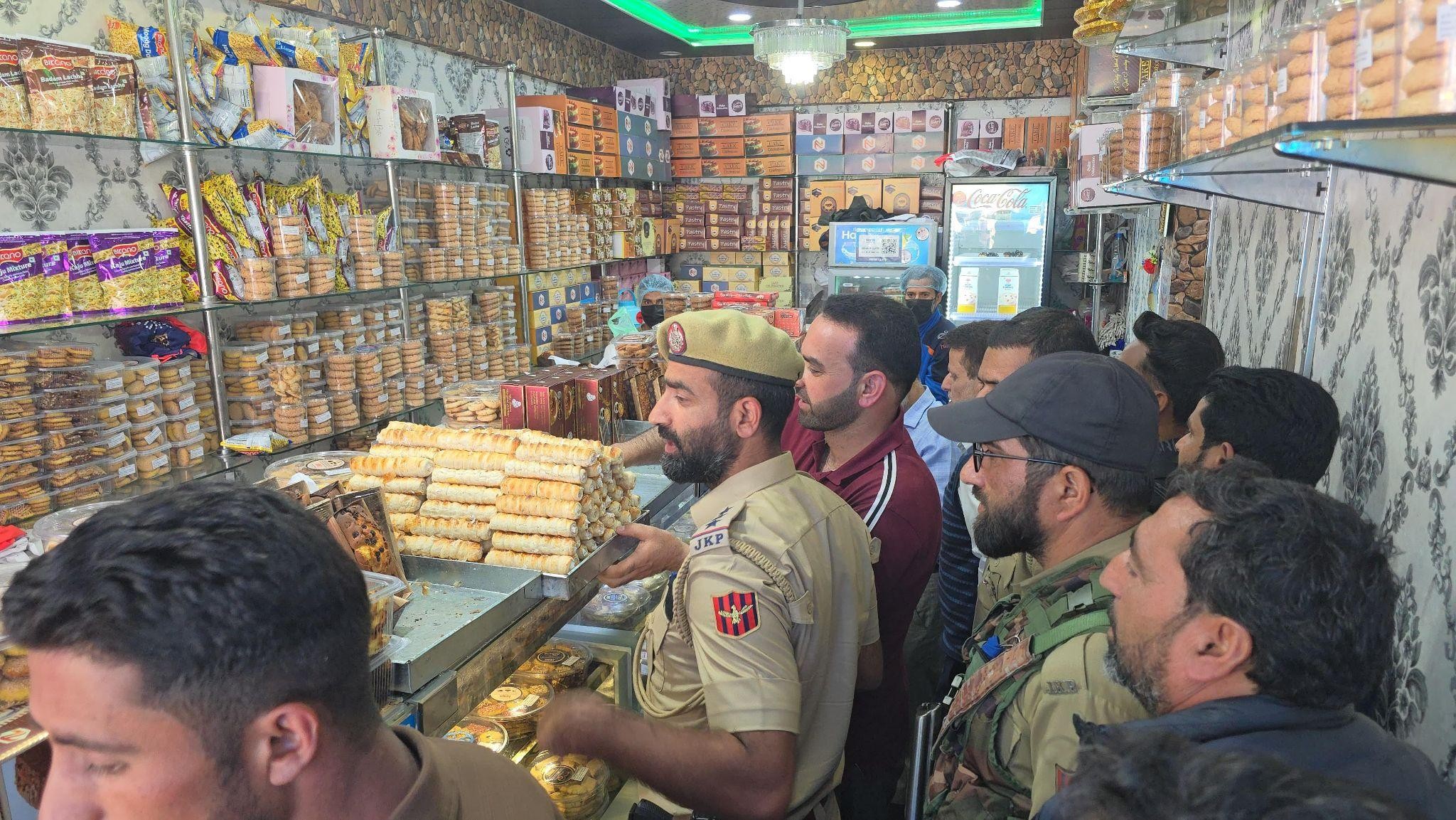
Usually, markets in Kashmir used to remain packed nearly ten days before Eid-ul-Adha, with people rushing to buy clothes, bakery items and sacrificial animals. However, this year the festive spirit appears subdued, with shopkeepers and residents alike expressing concern over the declining footfall in markets.
Traders said soaring prices of essential commodities and financial difficulties faced by families have affected festive spending. Many residents said they are struggling to manage household expenses due to inflation and are avoiding non-essential purchases ahead of Eid.
“We used to see huge crowds in markets before Eid, but this year the response is very poor. People are buying only necessary items because prices have increased sharply,” said Bilal Ahmad, a trader from Karnagar area of Srinagar.
During interactions with locals in various markets of Kangan and Ganderbal, many people blamed the continuous rise in the prices of petrol, diesel and LPG for putting additional pressure on household budgets.
Residents said that inflation was already affecting daily life, and repeated hikes in fuel prices over the past few weeks have worsened the situation further.
Residents also pointed to rising transportation costs, high prices of sacrificial animals and increasing food expenses as major reasons behind reduced shopping activity.
A Shopkeeper Fairoz Mohammad also admitted that business activity has declined considerably compared to previous decades. Traders recalled that a decade or two ago, Eid shopping used to begin many days in advance, and markets would remain lively throughout the festive week. They said the traditional festive rush has gradually reduced over the years.
Market associations expressed concern over the slowdown, saying many small businesses depend heavily on Eid sales for their livelihood. They hoped business activity would improve in the coming days as Eid approaches.
The impact is also visible in livestock markets, where fewer people are being seen purchasing sacrificial animals. Residents said the prices of sheep, goats and other animals have increased sharply this year, discouraging many families from making fresh purchases. Some people added that families who already own animals are preferring to use those for sacrifice instead of buying from markets.
Apart from inflation, many people cited unfavorable weather conditions as another reason for reduced movement in markets. Continuous rains and unstable weather, according to both traders and shoppers, have further affected Eid shopping activities across the district.
Despite the slowdown, traders still hope that markets may witness some improvement closer to Arafah, when people traditionally make last-minute purchases for Eid celebrations.