

It is time for India to build cities that respect the dignity of the pedestrian. Our future mobility depends on it
S UMAR BHAT
For decades, the Indian urban dream has been paved with asphalt, designed for the internal combustion engine, and measured by the speed of vehicular flow. We have built flyovers that bypass our neighbourhoods and highways that cleave through our social fabric. But as we stand in 2026, amidst a global landscape scarred by energy volatility, soaring inflation, and a deepening climate crisis, it is time to admit a hard truth: our obsession with the vehicle has left our citizens stranded.
Walkability is not a “boutique” urban design concept or a luxury for the elite. It is the fundamental infrastructure of survival and the primary metric of a truly civil society. In a world where crude oil prices fluctuate unpredictably and economic pressures squeeze the common man, the humble footpath is our most resilient asset. Our streets must serve life, not just engines.
The Paradigm of Active Travel
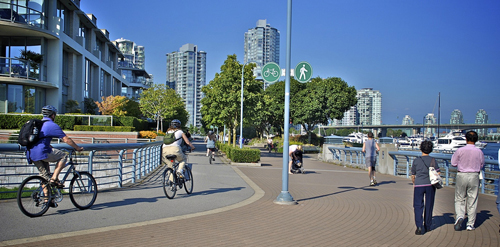
To reclaim our cities, we must pivot toward a framework of Active Travel. Active Travel focuses on promoting walking, cycling, and other non-motorised modes of transport as key elements of sustainable urban mobility. By encouraging the development of safer streets, accessible infrastructure, integrated transport systems, and healthier urban environments, Active Travel directly contributes to reduced congestion, improved public health, enhanced road safety, and environmentally sustainable cities. It is the foundation upon which future-ready transit must be built.
I. The Economic Imperative: From Oil Dependency to Pedestrian Independence
The recent global instability has exposed the fragility of a transport system tethered strictly to fossil fuels. As nations grapple with energy security, the private vehicle lifestyle is becoming an unsustainable economic burden for the Indian middle class. Inflation is not just a market phenomenon; it is a spatial one. When a city is designed so that a citizen must drive or take a motorised taxi just to buy a loaf of bread, that city layout has failed its people.
Minimising the Cost of Living: Walkable cities act as a natural hedge against inflation. By providing safe, high-quality pedestrian infrastructure, cities allow residents to eliminate “forced” transportation costs. In Indian commercial hubs, well-designed sidewalks do more than just facilitate movement; they foster street vibrancy and local micro-economies that remain resilient to global economic shocks.
Decarbonising the Last Mile: India’s commitment to “Net Zero” pathways requires a radical modal shift. Walking is the most energy-efficient, zero-emission form of transport in existence. By prioritising the pedestrian within an integrated Active Travel network, we reduce the national drain on foreign exchange reserves spent on crude oil and move steadily toward a truly Viksit Bharat.
II. Inclusive Design: A Moral Necessity
A city that is not safe for a five-year-old child or an eighty-year-old grandmother is a city that is fundamentally broken. For too long, urban planning has socially segregated those with functional diversity by designing streets that operate as obstacle courses rather than accessible pathways.
Safety for the Vulnerable: While walkable neighbourhoods paradoxically see higher pedestrian density, they are associated with lower overall traffic fatality rates when designed correctly. We must move away from rigid, car-centric engineering standards and embrace universal design that inherently considers the user journey of the disabled, children, and the elderly.
The “Social Public Space”: Streets should not be mere movement corridors. They are the living rooms of our cities—places where people sit, talk, and watch over their neighbourhoods. Inclusive design restores the unique vibrancy of Indian streets, turning a mundane daily commute into a meaningful social interaction.
III. Climate Resilience: The Shaded Footpath as Infrastructure
As urban heat islands intensify, walking in an Indian city can frequently feel like a feat of endurance. The widespread use of high-thermal mass materials in roads and pavements traps heat, raising local air temperatures by several critical degrees. Comprehensive pedestrian infrastructure must double as climate infrastructure.
Climate-Resilient Strategies: Walkable Urban Cool Spots (WUCS): By integrating dedicated shading, urban vegetation, and cool-surface materials, planners can create localised “cool spots” that actively protect pedestrians from extreme heat.
Green Infrastructure: Strategically allocated green cover can achieve up to a 2°C cooling objective in dense urban environments, provided it is seamlessly integrated directly into the pedestrian and cycling networks.
The Canopy Effect: Shaded footpaths are not a luxury; they are a public health necessity. Natural tree shade reduces surface temperatures by up to 13°C, making the choice to walk viable even in the height of summer.
IV. The Path Forward: Making the Choice
A safer, more walkable city is a choice we must make collectively. We have struggled for decades to secure even the most basic footpaths, a reality caused by urban planning frameworks that routinely ignore pedestrian infrastructure, leaving conditions both unsafe and inconvenient. This is no longer acceptable.
To achieve a sustainable urban future, we must demand:
Mandatory Accessibility Standards: Following the progressive models of cities like Varanasi, we need updated city bylaws that hold planners and contractors legally accountable for building inclusive, unobstructed infrastructure.
A Shift in Budgetary Priority: Municipal and state funding must pivot away from building car-centric flyovers and look toward funding expansive, interconnected people-centric networks.
Cultural Transformation: We must reject the unsustainable lifestyle of unnecessary vehicle consumption and return to a simpler, more grounded way of living where the street is recognised as a shared, democratic resource.
Walking is a universal, affordable activity that directly supports both mental and physical well-being. It is time for India to build cities that respect the dignity of the pedestrian. Our future mobility depends on it.
(The author is a renowned social reformer/activist with over two decades of experience in community advocacy and mobility reforms. For feedback, email: umarbhat07@gmail.com)