‘Learn Basic Life Support, it’s easy & lifesaving’: Dr Masood on gym deaths

-
 RK News
- Comments 0
- 29 Apr 2026
• AEDs mandatory • CPR saves lives • Every second counts • Call for help • 30 compressions must
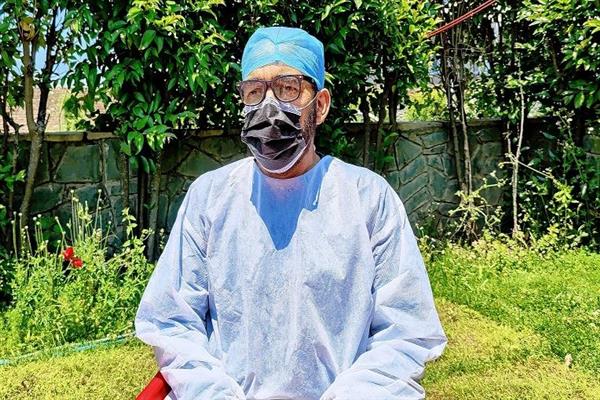
In the wake of recent incidents of sudden deaths reported at some gym centres in Kashmir, a debate has emerged over the essential precautions that should be taken before joining or engaging in rigorous workout routines. The incidents have underscored the need for Basic Life Support (BLS) training to help prevent such fatalities. To understand the measures required, Dr Masood Rashid, an anaesthesiologist and critical care expert with the J&K Health Department who has extensive experience in critical care, both in practice and training, speaks to Rising Kashmir's Health Correspondent Mansoor Peer about the situation and the way forward.
Excerpts:
Q: What is BLS, and why should commoners learn it?
Dr Masood: BLS generally refers to the type of care that first responders, healthcare providers, and public safety professionals provide to anyone experiencing cardiac arrest, respiratory distress, or an obstructed airway. It requires knowledge and skills in cardiopulmonary resuscitation (CPR), using automated external defibrillators (AEDs), and relieving airway obstructions in patients of every age.
Q: How could timely BLS have helped in recent gym deaths?
Dr Masood: Definitely, it could have helped patients of sudden cardiac arrest before the arrival of the ambulance and medical team. Every gym owner and their staff should make sure to learn BLS and make AEDs available in gymnasiums. They spend a huge amount on infrastructure and machinery but ignore basic life-saving techniques and essential medical equipment such as AEDs, pocket masks, AMBU bags, and oxygen cylinders.
Sudden cardiac arrest during exercise can occur due to undiagnosed heart conditions and excessive exertion, and even a physically fit individual may be at risk. It is better to go for basic check-ups or medical screening, including cardiac evaluation, before engaging in intense workouts.
Q: How crucial is BLS for remote areas with delayed ambulance services?
Dr Masood: BLS is essentially providing cardiopulmonary support in pre-hospital settings before the arrival of an ambulance or first responders. People should know the techniques of BLS to save lives.
Q: What should a bystander do when someone collapses suddenly?
Dr Masood: If someone collapses suddenly, the bystander's primary role is to provide CPR, which includes chest compressions, airway management, and rescue breathing. They should first check responsiveness, call for emergency medical help immediately, and ensure the scene is safe before intervening. Early initiation of CPR and timely use of an AED, if available, can significantly improve survival chances.
Q: How can a layperson perform CPR correctly?
Dr Masood: We need to demonstrate the techniques of chest compressions, airway management, and breathing methods for the proper delivery of BLS.
For a layperson, CPR begins with placing the heel of one hand at the centre of the chest, interlocking the other hand on top, and giving firm, fast compressions at a rate of 100–120 per minute. Allow the chest to fully recoil between compressions, keep interruptions minimal, and if trained, provide rescue breaths after every 30 compressions. CPR-only (COCPR) is recommended in many situations. If an AED is available, it should be used as soon as possible while continuing CPR until professional help arrives.
Q: Should gyms and public places have AEDs?
Dr Masood: AEDs should be made available in public places, government departments, gymnasiums, airports, railway stations, hospital emergency units, industries, factories, schools, universities, colleges, and ambulances to improve patient outcomes. It is the responsibility of the concerned heads of departments and authorities to ensure their availability and proper maintenance.
Q: Is BLS training complicated? How long does it take?
Dr Masood: BLS is easy to learn. People who are interested in learning life-saving techniques learn them easily. I have seen many interested non-medicos learn BLS techniques as easily as medics.
Q: What mistakes do people make during cardiac emergencies?
Dr Masood: Common mistakes include allowing neck movement, poor concentration and coordination, and unnecessary interruptions.
Q: How important is ACLS for health professionals?
Dr Masood: BLS is mandatory for everyone. But ACLS is mandatory for doctors working in emergency rooms, code blue teams, ICUs, high dependency units, and general wards.
Q: Should BLS be mandatory in schools, colleges, and workplaces?
Dr Masood: Yes, BLS should be made mandatory because life is precious. We need to teach BLS at the student level because they are the future of society, and their learning capabilities are greater.
Q: How often should one refresh BLS skills?
Dr Masood: A person should ideally refresh or retrain in BLS skills at least once a year, as regular updates help reinforce proper techniques, maintain confidence, and ensure readiness to respond effectively in emergencies, especially since guidelines and best practices may evolve over time.
Q: What steps should government take for BLS training at grassroots level?
Dr Masood: Steps include creating awareness among people, especially in rural populations, regarding the importance of BLS programmes; providing Training of Trainers (TOT) for BLS at the district level; ensuring the availability of BLS equipment at the district level; and fostering collaboration between the Health Department and the School Education Department, which together can do wonders.
Q: Your message to the public on emergency preparedness?
Dr Masood: Life is precious, and every second counts in an emergency. Each one of us can play a vital role in saving lives by being aware, prepared, and willing to act when needed. Emergencies can happen anywhere—at home, in public places, or at workplaces—and the immediate response of bystanders often makes the difference between life and death. Staying calm, calling for help promptly, and taking basic action can significantly improve survival chances.
I urge everyone to learn BLS and equip themselves with life-saving skills like CPR and the use of AEDs. Even simple knowledge can empower you to act confidently in critical moments. Let us all take responsibility and be among those who step forward to save precious lives, because timely action by ordinary people can lead to extraordinary outcomes.
Related Posts
-

“Prevention is the key”: Docs raise alarm on rising cervical cancer in Kashmir
-

"This journey has just begun”: BCCI President on J&K’s Ranji Breakthrough
-

"Rebuilding trust comes first," says Mirwaiz on ‘KPs' return’
-

Face to Face: The Queen who defied empires: Khwaja Farooq Renzushah on Sultana Kota Rani’s enduring legacy in Kashmir
-

Face to Face: My focus solely on addressing core issues of people: Jibran Dar
-

This winter we expect surge in tourist footfall: Dir Tourism Kashmir
-
I wonder why we go to Switzerland when we have place like Kashmir here: Krushna Abhishek
-
SMC preparing a ‘Detailed Drainage Master Plan’ to mitigate drainage issues in City: Commissioner SMC
-
Rhinoplasty has changed life of operated patients: Dr Shafqat Islam
-
Meet Rukhsana Manzoor: A homemade chef
-
Type 2 diabetes is now common among youngsters below the age group of 25: Dr SharikMasoodi
-
Breast cancer: The risk, causes and treatment
-
Healthy Ramadan: Tips for balanced and nutritious diet
-

‘Koshur Scientist’: Tral youth’s endeavor of building AI-powered learning ecosystem to transform education
-
NIFT Srinagar's students shine in international youth exchange programs: Dr Wani

Leave a comment