Shadow of Hantavirus: Expert warns of zoonotic threat, high fatality risk
-
 ANI
ANI
- Comments 0
- 08 May 2026
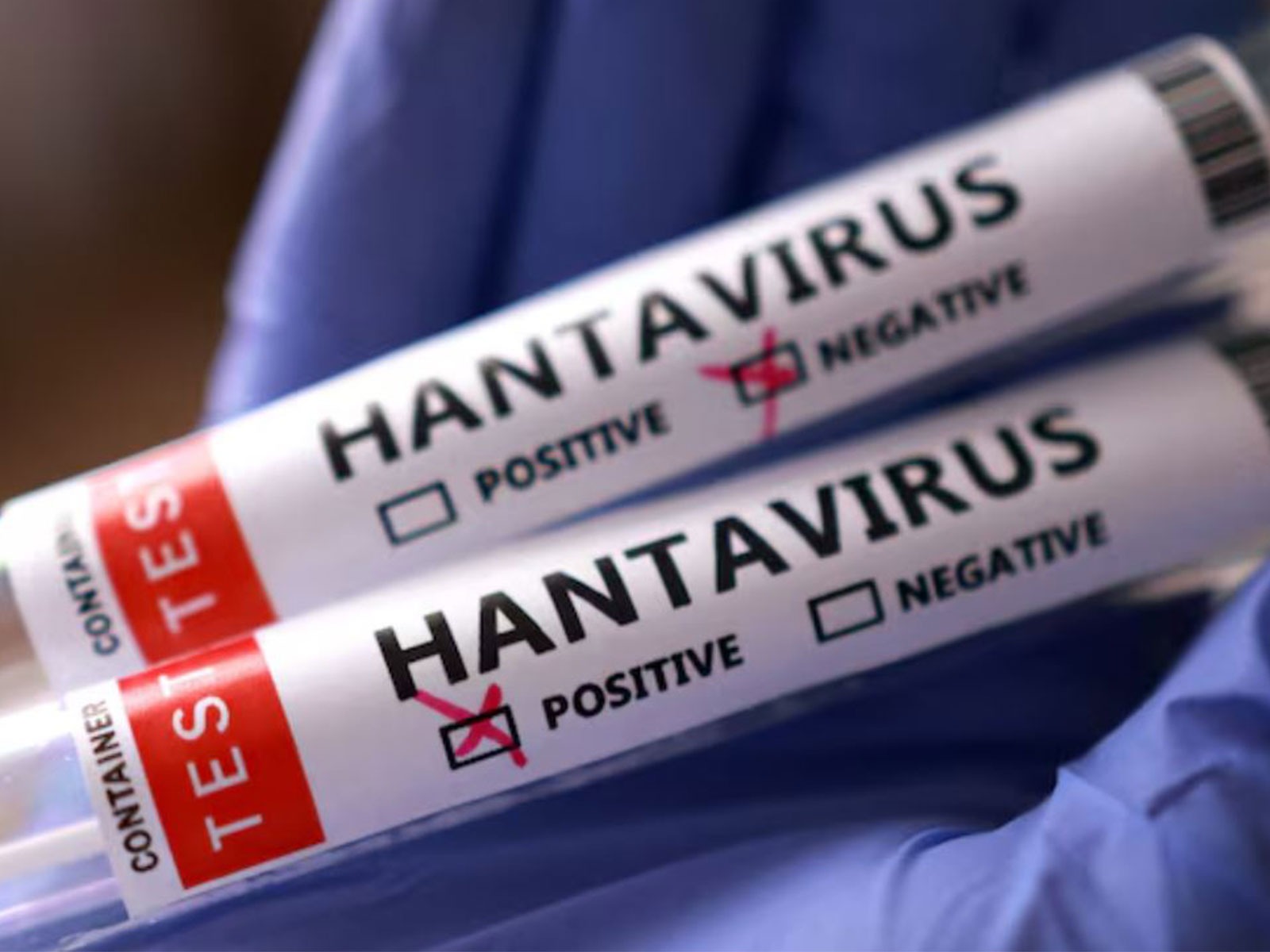
Mumbai [India], May 8 : As global health monitoring intensifies, Dr Ishwar Gilada, Chairman and Managing Director at Unison Medicare and Research Centre, is raising a sharp alarm regarding the Hantavirus.
Far from being a "novel" threat, Dr Gilada, while speaking to ANI, emphasised that this old, rodent-borne pathogen carries a staggering mortality rate and a complex transmission window that could catch international borders off guard.
Dr Gilada clarified that Hantavirus is a zoonotic infection, primarily residing in rodent populations. While it isn't a new discovery, its clinical impact is devastating. The virus manifests in two primary, life-threatening ways: Hantavirus Pulmonary Syndrome (HPS), a severe respiratory condition and Hemorrhagic Fever with Renal Syndrome (HFRS), a condition affecting the blood vessels and kidneys.
"Hantavirus is not a new virus. It is an old virus... Hantavirus is the virus of rodents... It is a zoonotic infection.. If human-to-human transmission occurs, that is very dangerous," said Dr Gilada.
One of the most concerning aspects of the virus is its "stealth" period. Dr Gilada noted that the incubation period spans four to eight weeks, meaning individuals may not feel ill for a month or more after exposure.
Crucially, the infectious window opens early. "People getting infected almost four or five weeks before will start showing symptoms now. But during the first week, they are also infectious to others," he explained. This creates a significant risk for human-to-human transmission, which Dr. Gilada labelled as "very dangerous."
"Out of 100 people infected with this, 40 will die," Dr. Gilada warned, highlighting a 40% fatality rate that dwarfs many other viral threats. "We are worried because there is no cure for this. Secondly, there is no preventive vaccine."
The warning comes amidst reports of potential exposure on international vessels. Dr. Gilada pointed to a specific ship where two Indian crew members are currently stationed.
"Those two Indians will obviously come back to India. We cannot deny them entry. We have to treat them," he stated.
Concerns are mounting as individuals from Singapore and the UK have already disembarked and returned to their respective home countries.
With Indian citizens frequently travelling between Singapore and India, the doctor insists that the risk of importation is real and imminent.
With no vaccine and no specific cure on the horizon, medical experts are calling for heightened vigilance and rigorous screening for those arriving from high-risk environments.
"We should be worried," Dr. Gilada concluded. "We have to keep our fingers crossed." (ANI)
Related Posts
-

May every life be sprinkled with the hues of happiness” PM Modi extends Holi greetings
-

India to deliver technical equipment for earthquake relief to Myanmar next month: EAM Jaishankar
-

Indian Medical Students Begin Evacuation from Iran, First Group Heads to Armenia Border
-

All Flights Cancelled at Dubai International Airport, 70 Indian Students Stranded
-

Budget session: Lok Sabha revokes suspension of 8 Opposition MPs
-

Lok Sabha extends tenure of ‘One Nation One Election’ committee till Monsoon Session
-

Lok Sabha extends tenure of ‘One Nation One Election’ committee till Monsoon Session
-

Over 200 Indian Students Cross Iran–Armenia Border; Many Still Stranded at Azerbaijan Border: AIMSA
-

Rupee weakens to historic low, breaches 93 mark against dollar amid West Asia conflict
-

PM Modi to address Lok Sabha on West Asia conflict
-
“No burden of global crisis on farmers”: PM Modi assures adequate fertilisers, coal for electricity amid West Asia conflict
-

No proposal for separate UT Ministry or special policy framework: MHA to Lok Sabha
-

Govt clarifies refill booking timelines remain unchanged; Refutes news reports regarding revised LPG refill timeline
-

PM Modi to inaugurate Phase I of Noida International Airport during UP visit on March 28
-

Hormuz route opened for India: Iran FM Araghchi

Leave a comment