Let’s talk baby skin on this children’s day
-
 By DR. CHANDNI JAIN GUPTA
- Comments 0
- 14 Nov 2022
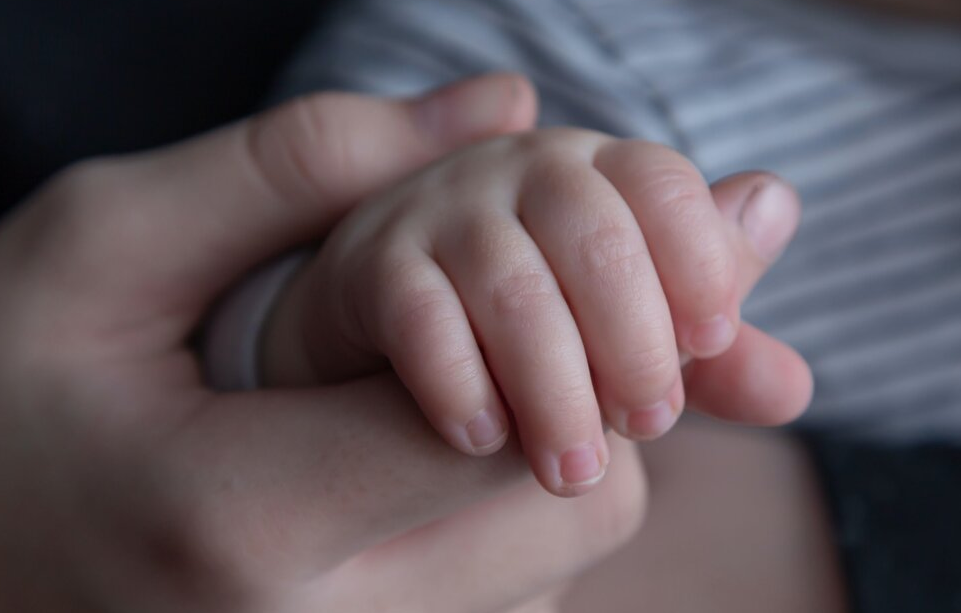
The skin is the largest organ on your baby’s body, so it’s important to look after its health. Remember to keep your baby’s skin clean, dry, and out of the sun. It’s also important to not overdo it with moisturizers or other skin products, which can sometimes make skin problems worse. Babies are prone to several different skin conditions in the first year of life. If a rash appears with a fever of 100°F or higher or an infection or if it does not go away within a few days, you should contact your baby’s doctor for more information.
Mothers tend to become human encyclopedias around baby care having read every article or book and seen every video there is out there. And while every science and fact is broken down by most of these avenues, a conversation that is not as much in focus as it should be, is understanding the development process of your baby’s skin and how as mothers you can boost this process.
Below are some tips you can use to make sure your baby’s skin stays smooth and healthy.
Keep your baby out of the sun
You should limit your baby’s time in the sun as much as possible. When you do take them outside, try to keep their skin out of the sun, even in the winter. According to the Food and Drug Administration (FDA) you should not apply sunscreen to a baby under 6 months of age. Instead, they recommend the following:
- keep your baby in shade as much as possible.
- put your baby in a hat that covers the neck and ears.
- dress your baby in loose-fitting, lightweight clothing that covers the arms and legs.
- limit sun exposure between 10 a.m. and 4 p.m. when ultraviolet (UV) rays are strongest.
It’s also important to keep your baby hydrated with breast milk or formula if you’re spending more than a few minutes outside. The American Academy of Pediatrics (AAP) gives similar advice. They recommend avoiding putting sunscreen on babies younger than 6 months old, but they do recommend that older children use sunscreen with an SPF of at least 15. If you have questions about using sunscreen on your infant, your baby’s doctor should be able to help.
Be mindful of dry skin
Not all babies need to have a moisturizer applied. It’s normal for babies to develop small patches of dry skin in the first few weeks after coming home. These patches will often go away on their own, without the need for any additional moisturizer. If your baby has very dry or cracking skin, you can apply petroleum-jelly-based products. You can also apply a moisturizing lotion to the skin if it’s free of perfumes and dyes, which can irritate your baby’s skin even more. Natural plant oils, such as olive, coconut, or sunflower seed oils, have been suggested as moisturizers for babies, but there’s some that they may actually make dry skin or eczema worse in children.
Massage with a nourishing oil: To help build and nourish your little one’s skin, my mantra would be “oil massage with a good nourishing oil”. The benefits of touch and massage therapy are now very much evidence-based. A massage with a lubricant oil has proved to be more beneficial than simple touch therapy. It not only improves skin barrier function and thermoregulation but is also suggested to have a positive effect on growth and neurodevelopment. Therefore, choosing the right oil goes a long way in developing your baby’s skin, and using virgin coconut-based baby oil has been confirmed to be the best in many studies.
Virgin coconut-based baby oil: Virgin coconut-based baby oil is a rich source of multi nutrients also found in mothers’ milk making it one of nature’s best cares for baby skin. Its key benefit lies in its ability to get absorbed deep within the baby’s skin and nourish it from deep within. On the other hand, regular creams and lotions are designed to moisturise only the topmost layer of the skin. Frequent application of virgin coconut-based baby oil will also help in building the skin lipid barrier of your baby and set up the base for healthy skin for years to come.
Follow best practices for bathing
Stick to best practices for infant bathing. You should give your baby regular baths, but you don’t need to bathe them every day. You can use a soft washcloth and lukewarm water to keep their hands, face, genitals, and other body parts clean between washings in the tub. However, in some cases, washcloths may cause more skin irritation and dryness. The AAP and Kaiser Permanente recommend the following basic tips for bath time:
- Hold your baby securely and never leave them unattended.
- Use water that’s lukewarm, not hot (34 to 36 degree Celsius).
- Ideal baby cleansers should be liquid,mild soap free, fragrance free SYNDET BARS.
- Perform the bath in a warm room.
- Keep baths short, between 5 and 10 minutes.
- Sponges are better avoided.
- Bathing should be 2-3 times per week.
- Wash your baby’s eyes and face with water only.
- Consider adding fragrance- and dye-free baby soap when washing your baby’s hair and body.
- After bathing, the baby should be immediately covered with a dry towel and patted and dressed immediately after. After bathing, pat your baby completely dry before putting them in clothing or a diaper.
Don’t sweat cradle cap
Cradle cap is a common skin condition in babies that usually develops between ages 3 weeks and 3 months. With a cradle cap, you’ll notice yellowish, greasy-looking patches, called plaques, around your baby’s scalp and the crown of their head. Cradle cap can also appear on the forehead, eyebrows, and around the ears. In most cases, the cradle cap will clear up on its own. Before bathing your baby, it may help to apply a small amount of emollient, such as mineral oil, to the affected area before washing your baby’s scalp and head with a gentle shampoo. If you don’t see improvements with the condition after a few washes, you should talk to your baby’s doctor about other possible treatments.
Avoid contact dermatitis triggers
Contact dermatitis means that something has caused an allergic reaction on your baby’s skin. It may appear in many different ways, including red and swollen skin or skin that’s dry, cracked, and peeling. The following are common irritants and allergens that may cause contact dermatitis:
- Saliva.
- Urine.
- Soaps or detergents.
- Lotions.
- Dyes.
- Perfumes.
- Cosmetics.
- Latex.
- Some metals.
If you can’t determine what caused the reaction, you should talk to your child’s doctor. Treatment often involves at-home remedies and recommendations, such as the following:
- Dress your baby in loose-fitting clothes and avoid rough fabrics, such as wool.
- Use unscented and dye-free moisturizers on the skin.
- Give your baby a bath every day in lukewarm water until the rash starts to go away.
- Avoid the substance that caused the rash, if known.
Watch for nail growth
Even though your baby’s nails are small and thin, they might still be sharp. Long or sharp nails can cause scratches on the face or body, so it’s a good idea to keep an eye on how your baby’s nails are growing. Baby nails grow quickly, so you may need to file or trim your baby’s nails every week or more often. You can use a non-metal nail file to gently smooth and shorten the nails or a baby nail clipper to reduce the length. It’s recommended that you cut or file your baby’s nails while they’re asleep or very relaxed to prevent sudden jerking movements that may cause injury.
Help prevent heat rash
A heat rash can occur if your baby becomes overheated. It often appears near skin folds or areas where clothes rub up against the skin. A heat rash looks like tiny red spots on the skin and is often most noticeable in babies with a light skin tone. Heat rash occurs when the sweat glands become blocked. Hot and humid weather, oils, or other ointments can cause the sweat glands to become overworked or blocked, leading to a rash. To treat your baby, you should keep the skin cool and avoid using oil-based products. A cool bath or washcloth can help alleviate any itchiness and clear the rash. You should contact your baby’s doctor if the rash does not improve within 3 days, if the skin appears infected, or if your baby develops a fever of 100°F or higher.
Care for the umbilical cord
When you first bring your baby home, the umbilical cord will still be attached at the belly button. You’ll need to keep the area as clean and dry as possible until the cord falls off in about 1 to 3 weeks. It’s important that you don’t pull on or try to force the umbilical cord to fall off. It will come off on its own. You don’t need to apply any substance — not even rubbing alcohol — to prevent infection or aid in the drying process. You should call your baby’s doctor if you notice:
- Pus.
- Redness or swelling.
- Fever of 100°F or higher.
- Foul smelling discharge.
- Large amount of bleeding.
(Author is Dermatologist, Venereologist, Cosmetologist, Elantis Healthcare, New Delhi)
Related Posts
-

Ramadan Fasting & Liver Diseases: Few Practical Tips
-

Tracing Historical Legacy: From Nynee-Tal to Nainital
-

Silent Musings
-

Pakistan on the heap of uncertainties....!
-

Merits of Mother Tongue-Based Education
-

Maha Shivratri-Herath: The cultural code of Kashmir
-

Fading into Oblivion: The Daring Wakhi Sheperdesses of Gilgit- Baltisthan
-
In Pursuit of Social Justice through Agriculture
-

Pratibhignya and Quantum Consciousness: Journey beyond Perception and Time
-

Echoes From Forgotten Mountains: Tibet In War & Peace
-

The Rich Tapestry of Muslim Life in India
-

Ram Mandir: Real credit goes to RSS-VHP-BJP combine
-

Bytes of Diplomacy: Navigating the New Age
-
Understanding Diabetes
-

Mana Village: Flagship of ‘Vibrant Village Programme’ In Uttrakhand

Leave a comment