The Growing Burden of Extravagance in Kashmiri Marriages
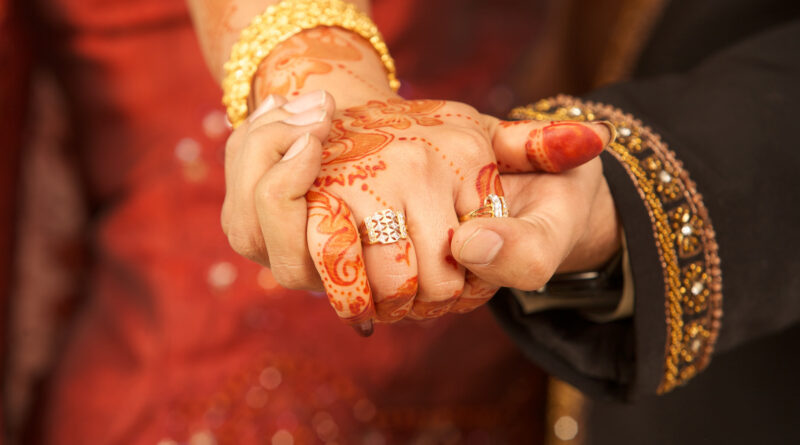
Marriage, after all, is not a display of wealth but a commitment to partnership
Marriage has traditionally been regarded as a sacred institution—one that unites not only two individuals but also two families, fostering bonds of affection, respect, and shared responsibility. At its core, it was meant to embody simplicity, emotional warmth, and spiritual significance. However, with increasing exposure to modern lifestyles and social expectations, the institution of marriage in Kashmir is undergoing a noticeable transformation—one that is gradually distancing it from its original essence.
In contemporary Kashmiri society, the journey to marriage itself has become prolonged and complicated. Many young individuals take years to arrive at the decision to marry, often due to financial pressures, career uncertainties, and rising societal expectations. While careful consideration is understandable, the delay is frequently compounded by the perceived burdens associated with marriage customs.
A major contributor to this burden is the proliferation of ‘rasm-o-riwaj’ (customs and traditions), many of which have evolved into financially and emotionally taxing obligations. What were once symbolic gestures of goodwill have, over time, turned into elaborate and often competitive exchanges.
The culture of gift-giving—spanning from engagements to weddings, and continuing through various festivals and life events—has intensified significantly. Families feel compelled to match or exceed social standards, leading to unnecessary expenditure and, in many cases, financial strain.
This trend extends beyond pre-wedding rituals. Post-marriage expectations, such as frequent large-scale invitations and reciprocal hosting between families, further add to the pressure. Hosting gatherings for extensive guest lists not only demands substantial financial resources but also reinforces a cycle of social obligation that is difficult to sustain—especially for middle- and lower-income families.
Recent social observations and regional surveys suggest that a significant proportion of families in Kashmir incur debt or deplete savings to meet marriage-related expenses. In some cases, the cost of a single wedding can equal several years of household income. This economic strain has created a growing reluctance among families to embrace marriage, particularly when resources are limited.
More concerning, however, is the impact of these practices on the very foundation of marriage. The increasing emphasis on material display and social status has overshadowed the fundamental values of love, mutual understanding, and emotional compatibility.
Marriages today are, at times, judged by the scale of celebrations rather than the strength of the relationship itself. This shift has also fostered a subtle sense of competition and ego, where failing to meet societal expectations is perceived as a loss of prestige.
It is, therefore, imperative for society to pause and reflect. A conscious effort must be made to reassess these practices and gradually return to the simplicity that once defined this sacred bond. Reducing unnecessary customs, limiting extravagant expenditures, and prioritising meaningful connections over material exchanges can significantly ease the burden on families.
Marriage, after all, is not a display of wealth but a commitment to partnership. Reclaiming its true essence—grounded in simplicity, sincerity, and strength—will not only make it more accessible but also restore its dignity in society in general and in Kashmir in particular.
(The Author is studying Economics and sociology)
Related Posts
-

The Cost of Our Lifestyle Choices
-

Fear, Fuel, and the Politics of Perception
-

The Architect of Mu’amila-Bandi: Momin Khan Momin and the Poetics of Romantic Realism
-

Is Healthcare Sector shifting from Service-Oriented Care to Profit-Driven Practice?
-

Vanishing Wetlands in Kashmir
-

It’s The Driving Sense That Can Save Lives…!
-

Bridging the Awareness Gap and the AI-Driven Future of Mobility in Jammu & Kashmir
-

Sir Syed Sani: A Legacy of Knowledge, Unity, and Moral Authority
-

A Day of Bills and Backtracks: What NC’s Assembly moves Reveal about Legislative Intent
-

Why our Elders deserve Care, Love, and a Place at the Heart of Society
-

The Need for Corporate Social Responsibility in Kashmir Valley
-

The Plague Doctor of Islamabad
-

The Phenomenon of a Rolling Aspirant: A gentle plea to rethink career switching
-

Gender Neutral Representation in Jammu And Kashmir’s Textbooks: The Reform that Can’t Wait
-

The Dying Art of Houseboat Making

Leave a comment