

Tourism ultimately is not only about economics. It is about human connection. It is about how a place makes people feel
SANJAY PANDITA
Tourism in Kashmir has never been merely an industry. It is the heartbeat of thousands of families, the fragrance of hospitality carried through generations, and the bridge through which the Valley introduces itself to the world. Every season that brings tourists to Kashmir also brings hope to houseboat owners, taxi drivers, ponywalas, hotel workers, artisans, dry fruit sellers, photographers, and countless others whose livelihoods depend upon the footsteps of visitors.
When tourists arrive, markets awaken, roads become lively, gardens bloom with laughter, and even the silence of the mountains appears less lonely. Yet the true success of tourism cannot be measured only by the number of arrivals. It must be measured by the satisfaction, comfort, safety, and happiness of every traveller who leaves the Valley carrying beautiful memories.
Kashmir has long been celebrated for its unmatched beauty. Snow-covered mountains, shimmering lakes, flowing rivers, saffron fields, Mughal gardens, and majestic chinars together create a landscape that seems almost unreal. But nature alone cannot sustain tourism.
A tourist remembers not only the beauty of a place but also the behaviour of its people, the comfort of travel, the ease of transportation, the honesty of shopkeepers, the cleanliness of surroundings, and the sense of security that accompanies every journey. The real identity of Kashmir, therefore, lies not merely in its mountains but in the warmth of its people and the efficiency of its systems.
In recent years, the tourist flow to the Valley has witnessed a remarkable increase. Families from different parts of India and abroad are once again choosing Kashmir as their preferred destination. This revival is undoubtedly encouraging, but it also places a greater responsibility upon the administration, tourism department, transporters, hoteliers, traders, and civil society. If tourism is to flourish sustainably, then the Valley must not only attract tourists but also ensure that every visitor feels respected, protected, and welcomed.
Among the foremost concerns for any tourist is safety. A traveller visiting an unfamiliar land seeks peace of mind above all else. No amount of natural beauty can compensate for fear, confusion, or insecurity. Therefore, maintaining a secure atmosphere across tourist destinations is of utmost importance.
Visible police assistance, tourist help centres, emergency medical services, proper signage, and quick grievance redressal systems create confidence among visitors. The administration must ensure that tourists feel protected not through fear or excessive restrictions but through care, discipline, and organised management.
At the same time, the role of ordinary Kashmiris in ensuring safety is equally important. Kashmir has historically been known for its hospitality. The tradition of welcoming guests with warmth is deeply rooted in Kashmiri culture. The tourist who arrives in Kashmir should not feel like a customer alone but like a respected guest.
A smile offered by a shopkeeper, honest guidance given by a local resident, or assistance extended during difficulty often leaves a deeper impact than even the most beautiful scenery. Humanity becomes the strongest advertisement for tourism.
However, one of the major challenges increasingly faced by tourists in Kashmir today is traffic congestion. During peak tourist seasons, roads leading to major destinations often witness massive traffic jams. Hours spent in immobile vehicles not only exhaust tourists physically but also affect their overall experience of the Valley. Long traffic snarls on routes leading to Gulmarg, Pahalgam, Sonamarg, and within Srinagar often become sources of frustration.
The administration must therefore adopt a long-term and scientific approach toward traffic management. Better road planning, widening of congested routes, establishment of organised parking facilities, shuttle transport systems, and strict regulation of vehicle movement during peak hours can significantly reduce inconvenience.
Public transport must be strengthened so that tourists are not entirely dependent upon private vehicles. Digital traffic updates, route advisories, and tourist assistance applications can also help travellers plan their journeys more efficiently.
Transporters, too, have a crucial responsibility. Taxi operators and transport unions represent the first direct interaction many tourists have with Kashmir. Their conduct, therefore, shapes impressions. Fair pricing, polite behaviour, punctuality, and honest guidance can greatly enhance the tourist experience.
Unfortunately, incidents of overcharging or unnecessary bargaining sometimes create dissatisfaction among visitors. Such practices damage not only individual reputations but the image of the Valley itself. Tourism thrives where trust exists. The transporter must understand that every satisfied tourist becomes an ambassador of Kashmir.
Accommodation is another essential aspect requiring serious attention. Hotels, guest houses, houseboats, and homestays must maintain standards of cleanliness, transparency, and hospitality. A tourist who spends hard-earned money to visit Kashmir deserves dignity and comfort.
Overpricing during peak seasons, poor sanitation, lack of basic facilities, or misleading information can deeply disappoint visitors. Authorities must ensure proper regulation, while hotel owners must recognise that professionalism and honesty ensure long-term success far more than short-term profit.
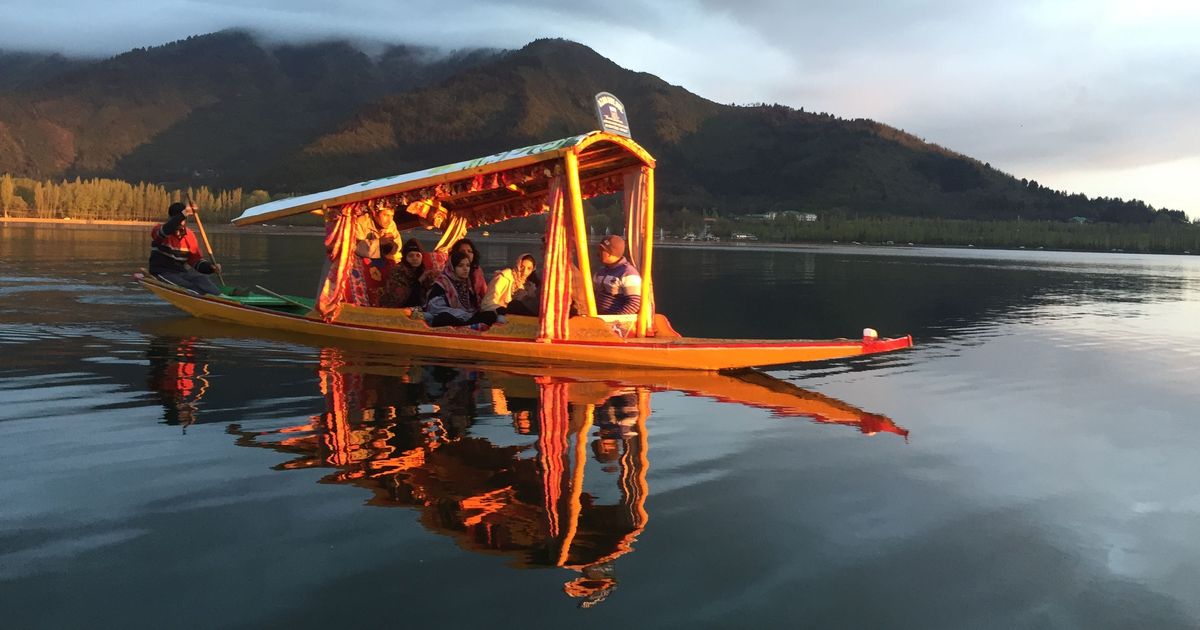
Houseboats on Dal Lake remain among the most iconic symbols of Kashmiri tourism. These floating homes carry within them the history and romance of the Valley. Preserving this heritage while ensuring modern facilities and environmental cleanliness is essential. Tourists today seek both authenticity and comfort. Clean surroundings, proper waste management, hygienic food, and courteous service can transform an ordinary stay into an unforgettable experience.
Equally important is the role of shopkeepers and local traders. Kashmir’s handicrafts, shawls, carpets, papier-mâché items, saffron, dry fruits, and traditional crafts attract visitors from across the world. Yet tourists often fear being overcharged or deceived. Ethical business practices are therefore vital. Honest dealing not only builds trust but also strengthens Kashmir’s reputation globally. The trader must remember that one dissatisfied tourist can discourage many others, while one happy visitor can inspire countless more to come.
Social organisations and civil society groups also have a major role to play in strengthening tourism culture. Volunteer groups can establish tourist assistance camps during peak seasons, provide information, help stranded travellers, organise cleanliness drives, and assist elderly tourists. Youth organisations, especially, can become ambassadors of Kashmiri hospitality. Their involvement in maintaining cleanliness, guiding tourists, and promoting responsible tourism can create a powerful positive image of the Valley.
Environmental responsibility must also remain central to tourism management. The increasing tourist influx has placed pressure upon lakes, forests, mountains, and public spaces. Plastic waste, pollution, and irresponsible tourism threaten the fragile ecological balance of Kashmir. Sustainable tourism, therefore, requires awareness among both visitors and locals.
Clean tourist destinations, proper waste disposal systems, and strict environmental regulations are necessary to preserve the Valley for future generations. The beauty of Kashmir is not eternal unless protected consciously.
The tourism department must also invest in better communication and coordination. Information centres, multilingual tourist guides, digital booking systems, emergency helplines, and online complaint mechanisms can make travel easier and more transparent. Trained tourist police and hospitality staff should be deployed at major destinations to assist visitors professionally and respectfully. Tourism in the modern world depends not only upon natural attractions but also upon efficient management.
Another important aspect is accessibility for elderly travellers, women, and differently-abled tourists. Proper seating arrangements, clean public washrooms, medical assistance centres, and barrier-free access at tourist locations are signs of a mature tourism system. A truly welcoming destination accommodates everyone with dignity.
Kashmir today stands at an important moment. The increasing tourist flow reflects renewed confidence in the Valley. But sustaining this momentum requires collective responsibility. Tourism cannot survive merely through government advertisements or scenic photographs. It flourishes when administration functions efficiently, roads remain accessible, transport operates honestly, accommodations maintain standards, markets practice fairness, and society embraces visitors with humanity.
Every tourist who leaves Kashmir carries a story. That story may either become a song of praise or a narrative of disappointment. If tourists return home speaking about kindness, safety, discipline, cleanliness, and unforgettable hospitality, they become the strongest promoters of Kashmir. But if they leave burdened by traffic chaos, exploitation, inconvenience, or mismanagement, the damage extends far beyond a single season.
The smile of a satisfied tourist is therefore more than an individual emotion. It is the reflection of an entire society’s character. Kashmir has always possessed the beauty to attract the world. What it must now strengthen continuously is the system that protects and nurtures that beauty. The Valley’s mountains, lakes, and gardens may invite travellers, but it is the conduct of its people and institutions that compels them to return.
Tourism ultimately is not only about economics. It is about human connection. It is about how a place makes people feel. When a tourist departs from Kashmir with peace in the heart, admiration in the mind, and longing to return again, then the Valley truly succeeds in preserving its timeless identity as paradise on earth.
(The Author is RK columnist and can be reached at: sanjaypanditasp@gmail.com)