

Growers say value-added farming brings better returns
Abid Bashir
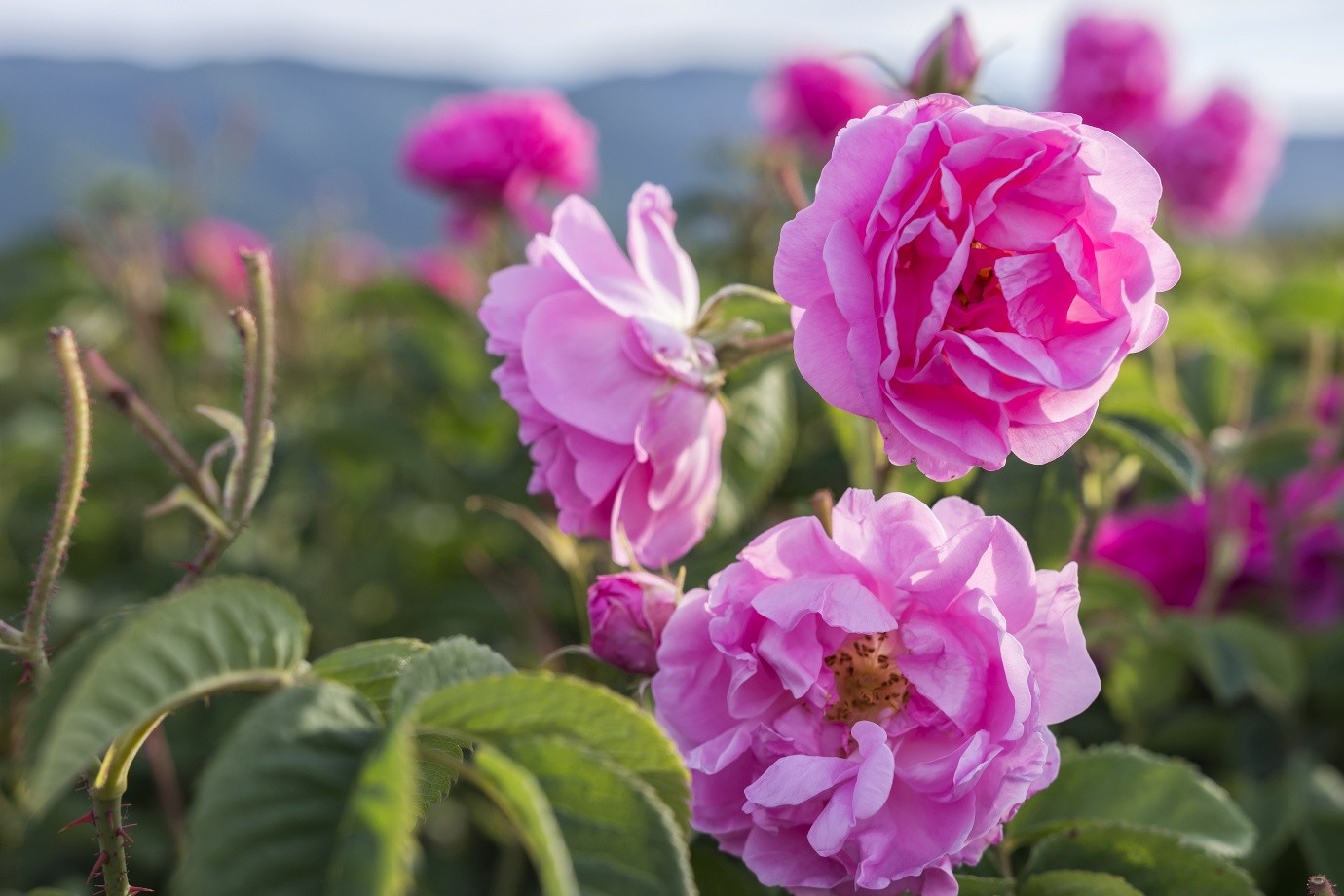
Srinagar, May 22: The fragrance of freshly bloomed Bulgarian roses is steadily turning into a new source of livelihood for farmers in Sirhama village of south Kashmir’s Anantnag district, where large-scale production of natural handmade rose water has started gaining momentum.
This village is known for its expanding rose fields. Here, the cultivators are harvesting delicate pink roses during the early morning hours and processing them immediately in on-site distillation units established close to the farms.
Farmers say the facility has considerably improved the quality of rose water production while also reducing transportation-related losses.
The initiative is being viewed as an emerging success story in value-added floriculture, with growers increasingly exploring alternatives beyond traditional crops and fruit cultivation.
Rows of blooming Bulgarian roses now stretch across parts of Sirhama, where farmers carefully collect petals by hand before they are transferred to compact steam distillation units. Inside the units, the flowers are slowly processed into fragrant rose water, widely used in cosmetics, traditional medicine, skincare and culinary products.
“We begin harvesting before sunrise because that is when the fragrance and oil concentration in the flowers remain at their peak. Earlier, transporting flowers for processing consumed time and often affected quality. The availability of nearby distillation units has made the work easier and more profitable,” said Ghulam Mohammad, a cultivator associated with the initiative.
Another cultivator, Abdul Rashid, said the project is encouraging local youth to look at floriculture and processing-based farming as viable business opportunities. “People are slowly understanding the commercial potential of rose cultivation. Instead of selling raw flowers, we are now producing finished products locally, which gives better returns to farmers,” he said.
Mushtaq Ahmad, another grower from the area, said the initiative has brought fresh enthusiasm among farmers who were earlier hesitant to experiment with floriculture. “We had never imagined that rose farming could become a source of stable income. Now, many farmers are planning to expand cultivation because the market response has been encouraging,” he said.
Officials linked to the floriculture and agriculture sector said the initiative demonstrates how small-scale value addition can strengthen rural economies and create employment opportunities at the village level. “Processing flowers locally helps farmers earn more while reducing wastage. Such initiatives can play an important role in diversifying Kashmir’s agriculture sector and promoting entrepreneurship in rural areas,” an agriculture department official said.
Apart from economic benefits, the blooming rose fields and traditional distillation process are also beginning to attract tourists, photographers and visitors interested in experiencing the unique aroma-based farming practice.
Locals believe the growing popularity of Bulgarian rose cultivation could eventually help develop a niche perfume and essential oil industry in Kashmir, similar to international rose-producing regions. For the farmers of Sirhama, however, the fields represent more than just business. Many describe the roses as symbols of renewal and hope, proving that innovation rooted in traditional farming can open new doors for rural communities in the Valley.