

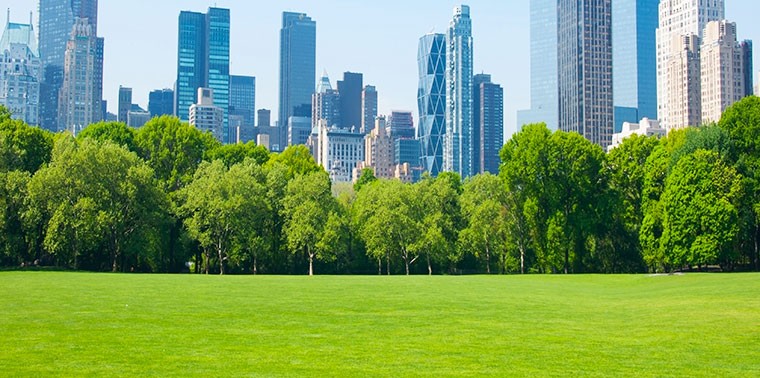
Urban green spaces are not mere decoration; they function as the city’s lungs and its natural defence system against the impacts of a warming climate
AJAZ HAMID SHAH
In recent years, the Kashmir Valley has witnessed rapid and often unplanned urbanisation. Expanding roads, concrete structures, shopping complexes, and high‑rise apartments are steadily eating into orchards, wetlands, and vacant lands that once offered residents a sense of calm and connection with nature. As cities and towns like Srinagar, Anantnag, Baramulla, and Sopore grow denser, the need for dedicated urban green spaces has become both urgent and undeniable.
Urban green spaces are not a luxury for modern cities; they are a necessity. For a region like Kashmir, whose very identity is tied to its natural beauty, the loss of greenery in urban areas is more than an aesthetic concern—it is a question of health, climate resilience, cultural continuity, and quality of life.
Vanishing Green Patches in a Valley of Mountains
Kashmir’s cities were once characterised by gardens, chinar‑lined avenues, and neighbourhood orchards. Today, many of those spaces have either shrunk or disappeared under the pressure of construction. Wetlands have been filled to raise new colonies, old parks are poorly maintained, and new residential areas are often built without any provision for parks or community playgrounds.
Srinagar, the Valley’s largest urban centre, illustrates this shift sharply. While it houses iconic Mughal gardens and the famous Dal Lake, ordinary neighbourhoods—from downtown to the newer colonies—struggle for even a small park where children can play or elders can walk in peace. Private lawns and orchards, once common in many households, are increasingly replaced by paved courtyards and additional rooms.
This pattern is not unique to Jammu and Kashmir; it is visible in many developing regions. But in the case of the Valley, where people already live with political uncertainty, environmental vulnerability, and growing mental health concerns, the disappearance of green spaces carries deeper social consequences.
Green Spaces as Shields Against a Changing Climate
The Kashmir Valley is experiencing noticeable shifts in weather patterns. Warmer summers, irregular snowfall, and increased instances of urban flooding have become part of public conversation. In this changing climate, urban green spaces play a quiet yet powerful role.
Trees, gardens, and parks help cool down cities by providing shade and releasing moisture into the air. Built‑up areas with concrete and asphalt absorb and radiate heat, creating what experts call “urban heat islands.” Even a cluster of trees or a well‑planned park can significantly reduce local temperatures, making summers more bearable—especially for children, the elderly, and those with health issues.
Green belts along rivers, canals, and wetlands act as buffers against floods by absorbing excess rainwater. In a city like Srinagar, where drainage systems are often overstressed during heavy rainfall, preserving open green spaces is closely linked to disaster preparedness. They also help improve air quality by trapping dust and reducing pollution from increased traffic.
In short, urban green spaces are not mere decoration; they function as the city’s lungs and its natural defence system against the impacts of a warming climate.
Healing the Mind in a Time of Stress
Life in Kashmir, particularly in the urban centres, carries a different kind of stress than many other places. Years of conflict, frequent shutdowns, uncertainty about the future, and rising unemployment have all taken a toll on the mental health of the population. Young people, in particular, often report feelings of anxiety, frustration, and restlessness.
In such an environment, access to clean, quiet, and safe green spaces can provide a simple but powerful form of relief. Numerous studies worldwide have shown that spending even short periods in parks, gardens, or tree‑lined streets reduces stress levels, improves mood, and enhances concentration. For families living in cramped housing and congested lanes, a nearby park can become a lifeline.
For children, green spaces are not only play areas but also classrooms without walls, where they learn about plants, seasons, and the rhythms of nature. For the elderly, a daily walk under trees or by a small waterbody can bring comfort and routine. For women, especially those who may not feel comfortable walking on busy streets, well‑designed parks provide a safe and dignified public space.
In the broader social sense, parks and green belts also create neutral common ground where people from different backgrounds and localities can interact. This helps build community ties, understanding, and a sense of shared ownership over the city’s future.
Planning Cities With People, Not Just Buildings, in Mind
The pattern of urban growth in Kashmir reflects a larger problem: cities are often planned around buildings and roads rather than people and their well‑being. Master plans may speak of green belts and recreational spaces, but on the ground these provisions are frequently diluted, encroached upon, or postponed in the name of “development.”
To change this, urban planning in the Valley must treat green spaces as essential infrastructure—no less important than roads, water supply, or electricity. Every new colony, commercial area, or road expansion should be evaluated not only for its economic value but also for its impact on open space.
Local authorities can:
- Reserve and legally protect land for public parks and playgrounds in each neighbourhood.
- Restore degraded wetlands and canal banks as green corridors for walking and cycling.
- Plant native trees along roads, in school campuses, and around government buildings.
- Encourage rooftop gardens and small community plots in high‑density areas where land is scarce.
- Urban green planning should also include regular maintenance, safety measures, and citizen participation so that parks do not become neglected or misused spaces.
A Shared Responsibility: Government and Citizens Together
While government agencies play a central role in protecting and expanding urban green spaces, the responsibility does not end with them. Residents, civil society groups, and educational institutions all have a part to play.
Preserving the Valley’s Character in Its Cities
Kashmir’s reputation as a paradise on earth has long rested on its forests, meadows, rivers, and snow‑clad peaks. Yet a paradox has emerged: while tourists travel to experience this natural beauty, residents of the Valley’s cities increasingly live surrounded by concrete and congestion.
If current trends continue, urban children in Kashmir may grow up knowing the chinar more from pictures than from afternoons spent under its shade. They may know Dal only as a tourist attraction, not as part of a larger ecosystem that once extended deeply into the urban fabric.
The choice before policymakers and citizens is clear. Either urban expansion continues unchecked, gradually erasing the Valley’s green character from its own cities, or deliberate steps are taken to weave nature back into urban life.
Urban green spaces will not solve all the Valley’s challenges. But without them, Kashmir’s towns and cities risk becoming places where it is harder to breathe, harder to cope, and harder to feel at home. Protecting and expanding these breathing spaces is, ultimately, an investment in the physical health, mental well‑being, and cultural soul of the Kashmiri people.
( Author is a PhD Scholar, public administration, and a columnist)