

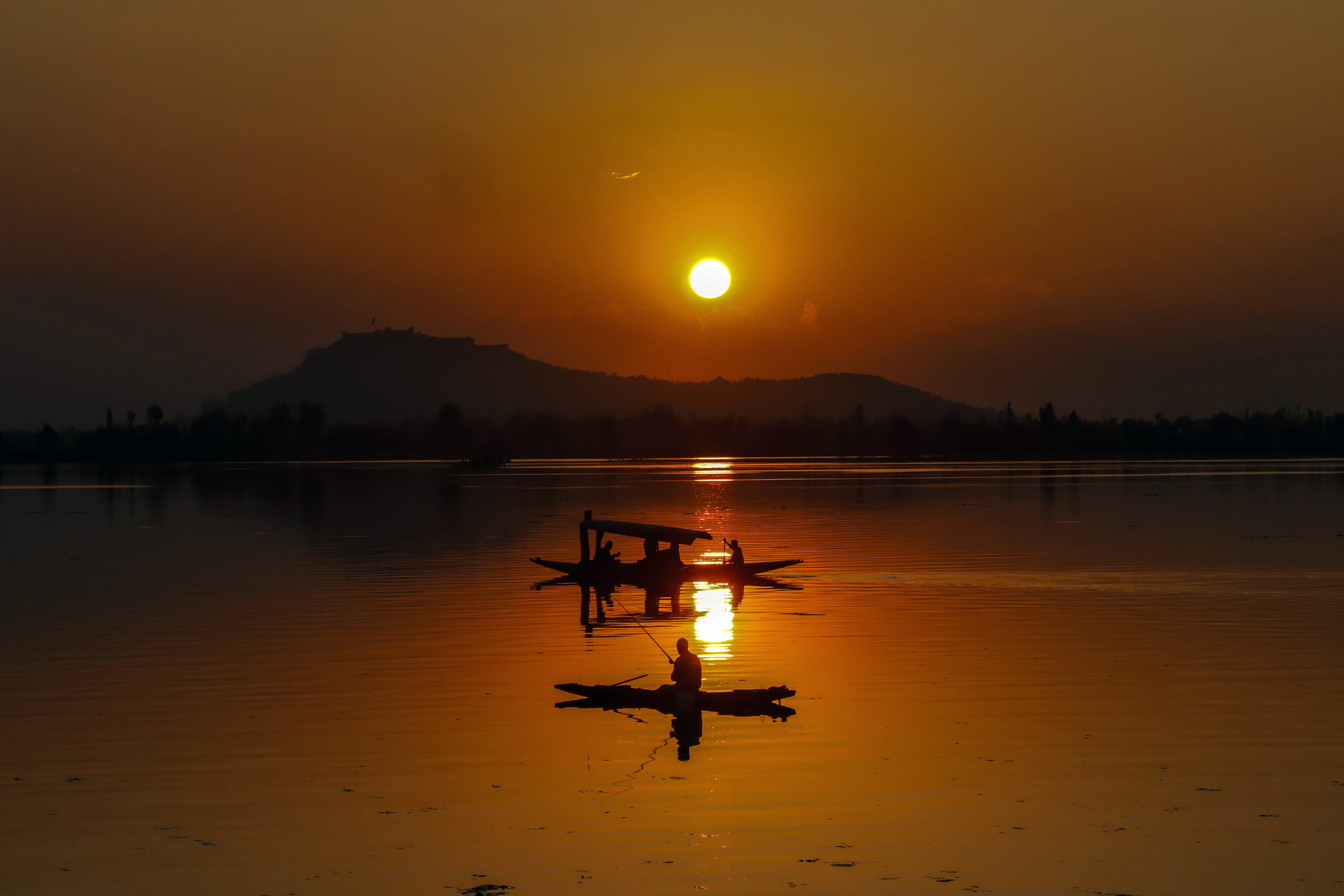
- Sgr records 31.5°C, over 6 degrees above normal
- MeT predicts brief relief from tomorrow
- Doctors advise hydration, avoiding peak afternoon sun
Abid Bashir
Srinagar, May 18: Jammu and Kashmir on Monday witnessed one of the hottest days of the season so far as an intense early summer heatwave tightened its grip across the Union Territory, pushing temperatures several degrees above normal and raising concerns over public health, water stress and agricultural impact.
The Valley, traditionally known for its mild summers, experienced unusually hot conditions with Srinagar recording a maximum temperature of 31.5°C, which was 6.1 degrees above normal for this time of the year, according to the India Meteorological Department (IMD).
The heat was even more pronounced in south Kashmir, where Qazigund emerged among the hottest places in the Valley at 33.0°C, a staggering 8.6 degrees above normal. Kokernag recorded 30.8°C, seven degrees above average, while Kupwara settled at 29.5°C.
Tourist resorts that generally offer relief from rising temperatures also witnessed abnormal warming. Pahalgam recorded 26.4°C, while Gulmarg, famous for its cool climate even during peak summer, registered 23.6°C, over seven degrees above normal.
The Jammu division continued to remain under severe heat stress. Jammu city recorded a scorching 41.1°C, while Katra touched 38.4°C. Banihal, Batote and Bhaderwah also recorded temperatures significantly above seasonal averages.
Director Meteorological Department Srinagar, Mukhtar Ahmad, said the prolonged dry weather and absence of major western disturbances have contributed to the sharp rise in temperatures across Jammu and Kashmir.
“The weather is likely to remain mainly dry for the next two days, and temperatures may stay above normal across most places. However, from May 20 onwards, there is a possibility of light rain and thundershower activity at isolated places, which may bring temporary relief,” he said.
Mukhtar Ahmad said the prevailing weather pattern is being influenced by clear skies and dry continental winds, leading to rapid daytime heating. He added that cloud build-up and gusty winds may occur in some higher reaches and parts of north Kashmir later this week.
Independent weather forecaster Faizan Arif termed the present heat conditions “unusual but increasingly frequent” in Kashmir.
“We are witnessing summer-like conditions much earlier than what used to be considered normal for Kashmir. Such prolonged dry and hot spells are becoming more frequent due to broader climatic changes across the Himalayan region,” Faizan said.
He said if the dry weather continues through the remainder of May, there could be visible stress on streams, springs and agricultural fields, particularly in rain-fed areas of south and central Kashmir.
“Day temperatures in the plains of Kashmir are expected to hover between 30°C and 33°C during the next 48 hours, while Jammu may continue to witness temperatures above 40°C before a slight decline later this week,” he added.
The rising temperatures have also started affecting daily life across the Valley. Markets wore a relatively deserted look during afternoon hours as people avoided direct exposure to the sun. Tourist spots, parks and riversides witnessed increased footfall in the evening as residents and visitors sought respite from the heat.
Doctors have meanwhile advised people to take precautions amid the soaring temperatures.
Health experts said hospitals are witnessing an increase in complaints related to dehydration, fatigue, headaches and heat exhaustion, especially among children, elderly persons and outdoor workers.
“People should avoid unnecessary travel during peak afternoon hours, drink plenty of water and consume fresh fruits and fluids to prevent dehydration,” a senior doctor at Srinagar’s SMHS Hospital said.
Experts have also urged orchardists and farmers to ensure adequate irrigation for crops and fruit plants, as prolonged dry weather during the crucial growing season could impact productivity.
The continuing heatwave has simultaneously led to a spike in electricity demand across Jammu and Kashmir, with increased use of cooling appliances putting additional pressure on the power supply system.