2014 Floods: NDMA Flags Major Gaps in Animal Carcass Disposal
-
 Ovaise Gul
- Comments 0
- 09 May 2026
*43% carcasses remained unmanaged during floods *Improper disposal raised contamination and disease risks * Calls for pre-identified burial sites *Scientific disposal protocols mandatory
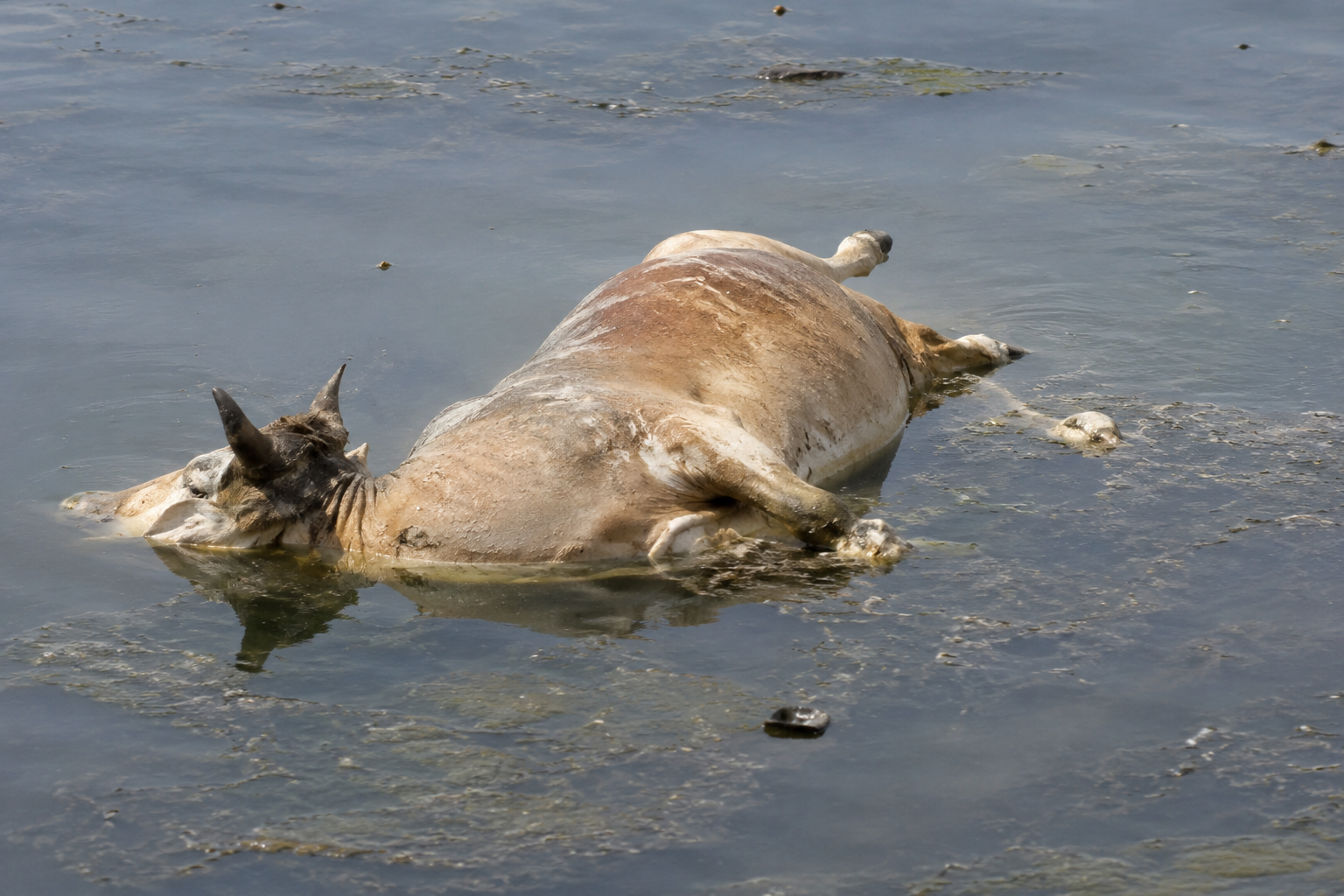
Srinagar, May 9: The National Disaster Management Authority (NDMA) has flagged major shortcomings in animal carcass disposal during the devastating 2014 Jammu and Kashmir floods, warning that improper handling of dead animals during disasters can trigger serious environmental and public health risks.
In its “National Guidelines on Animal-inclusive Disaster Risk Reduction (AiDRR), April 2026” issued under the Ministry of Home Affairs (MHA), the NDMA stressed the urgent need for rapid, scientific and sanitary disposal of animal carcasses to prevent contamination of water sources and the spread of infectious diseases.
The guidelines noted that post-disaster assessments of the 2014 floods in J&K exposed “critical gaps” in environmental health management.
According to the report, nearly 43 per cent of deceased animal carcasses remained unmanaged and were washed away by floodwaters due to the absence of pre-identified disposal sites and logistical bottlenecks.
The report further stated that formal government and municipal agencies were able to safely dispose of only 7.5 per cent of the remaining carcasses, significantly increasing downstream biological contamination risks.
The NDMA observed that municipal disaster management plans must include pre-designated elevated burial sites, environmentally safe disposal zones and pre-contracted heavy transport machinery well before the onset of the monsoon season.
The guidelines caution that disposal sites located near water supply systems could contaminate groundwater and local water bodies through leachate runoff. It directed authorities to strictly adhere to the Central Pollution Control Board’s “Guidelines for Carcass Disposal”.
The document also mandates that all carcass disposal operations be carried out in accordance with the “Prevention and Control of Infectious and Contagious Diseases in Animals Rules, 2010” under the supervision of the State Animal Husbandry Department and local bodies.
The NDMA said all personnel involved in disposal operations must use proper personal protective equipment and follow strict biosecurity protocols. It also underlined the importance of proper animal waste management, warning that indiscriminate disposal of manure can aggravate pest-related problems.
The guidelines additionally state that disposal of wild animal carcasses should require official verification and written authorization to ensure compliance with legal and environmental safeguards.
Related Posts
-

CM Omar Abdullah rolls out ₹84.41 crore multi-sector development works to transform Ganderbal
-

risingkashmirtesting
-

Srinagar Police Register Cases Against Srinagar MP, Ex-Mayor for Circulation of Misleading Online Content
-

Mehbooba Mufti criticises Centre for not condemning killing of Khamenei; burns Netanyahu, Trump posters
-

Uri farmers oppose new water supply scheme
-

All Schools, Colleges to remain closed for two days in Kashmir: Sakina Itoo
-

Flames On The Hills: Dry spell drives wave of forest fires across Valley
-

MeT Predicts Light Rain, Snow in J&K's Higher Reaches Till March 9
-

“God saved me”: Farooq Abdullah after escaping assassination attempt in Jammu
-

Mirwaiz Welcomes SC’s Bail Decision for Shabir Shah, Seeks Relief for Other J&K Political Prisoners
-

Mirwaiz Slams Govt Over Jamia Masjid Shutdown on last Friday of Ramzan, Draws Parallel with Al-Aqsa
-

CM Omar throws open Asia’s largest Tulip Garden in Srinagar
-

MeT Predicts Light Rain, Snow in J&K’s Higher Reaches Till March 20
-

Mughal Road Closed Following Fresh Snowfall at Pir Ki Gali
-

MeT Predicts Rain, Snow in J&K’s Higher Reaches

Leave a comment